
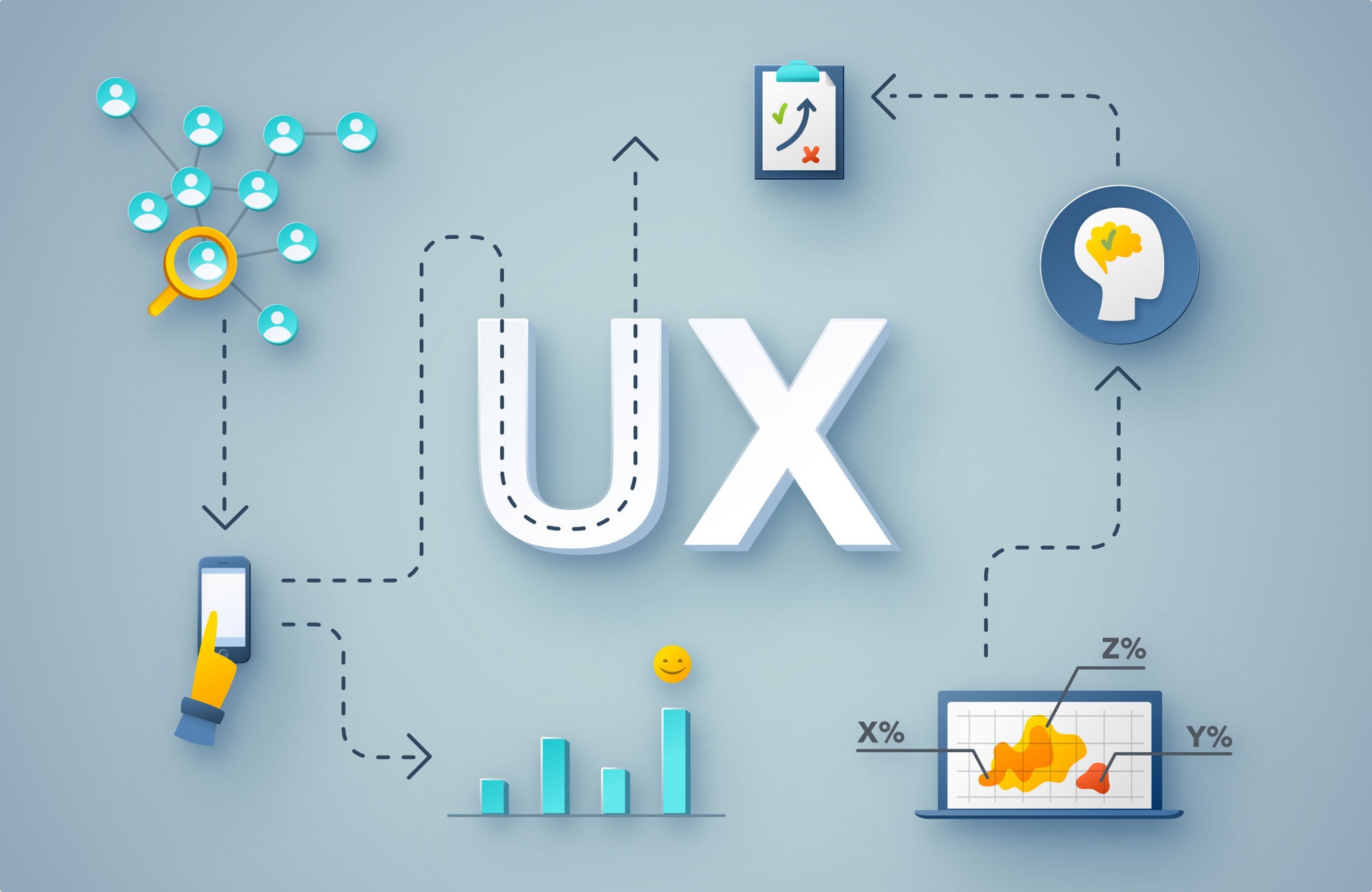
UX design focuses on the overall experience a user has when interacting with a product, aiming to make this interaction as seamless, intuitive, and enjoyable as possible. This article explores the fundamentals of UX design, its key components, benefits, and future trends.
What is UX Design?
UX design encompasses all aspects of a user’s interaction with a company, its services, and its products. It involves understanding user behaviors, needs, and motivations through various research methods and applying this knowledge to design products that provide meaningful and relevant experiences. The ultimate goal of UX design is to improve user satisfaction and loyalty through the utility, ease of use, and pleasure provided in the interaction with a product.
Key Components of UX Design
User Research
User research is the foundation of UX design. It involves collecting data about users’ needs, preferences, and behaviors through methods such as interviews, surveys, and usability testing. This information is critical for creating designs that meet users’ expectations and solve their problems effectively.
Information Architecture
Information architecture (IA) involves organizing and structuring content in a way that makes it easy for users to find and understand. IA focuses on creating intuitive navigation and clear, logical categorization of information, ensuring that users can quickly access the information they need.
Interaction Design
Interaction design defines how users interact with a product. It involves designing interactive elements such as buttons, menus, and forms to create a smooth and efficient user journey. Effective interaction design ensures that users can complete tasks easily and without frustration.
Visual Design
Visual design enhances the aesthetic appeal of a product while supporting its usability. It involves choosing the right colors, typography, images, and layout to create an attractive and coherent visual experience. Good visual design draws users in and helps convey the brand’s message effectively.
Benefits of UX Design
Improved User Satisfaction
By focusing on users’ needs and preferences, UX design leads to higher user satisfaction. Products designed with a user-centric approach are easier to use, more enjoyable, and more likely to meet users’ expectations, resulting in positive experiences and increased loyalty.
Increased Conversions and Sales
A well-designed user experience can significantly impact a company’s bottom line. By making it easier for users to navigate and complete tasks, UX design can lead to higher conversion rates, increased sales, and greater customer retention.
Reduced Development Costs
Investing in UX design early in the product development process can save significant costs in the long run. Identifying and addressing usability issues before they become major problems reduces the need for costly redesigns and fixes after a product’s launch.
Future Trends in UX Design
Voice User Interface (VUI)
As voice-activated devices become more prevalent, VUI is becoming an important aspect of UX design. Designing for voice interactions requires a different approach than traditional interfaces, focusing on natural language processing and conversational design.
Artificial Intelligence (AI)
AI is transforming UX design by enabling personalized and adaptive experiences. AI-powered tools can analyze user behavior and preferences to deliver tailored content and recommendations, enhancing the overall user experience.
Augmented Reality (AR) and Virtual Reality (VR)
AR and VR are creating new possibilities for immersive user experiences. UX designers are exploring ways to integrate these technologies into their designs, providing users with engaging and interactive experiences that go beyond traditional interfaces.
Conclusion
UX design is a vital discipline that focuses on creating meaningful and satisfying experiences for users. By prioritizing user needs and behaviors, UX design improves satisfaction, increases conversions, and reduces costs. As technology continues to advance, emerging trends like VUI, AI, AR, and VR are set to further shape the future of UX design, offering exciting opportunities for innovation and enhancement.