
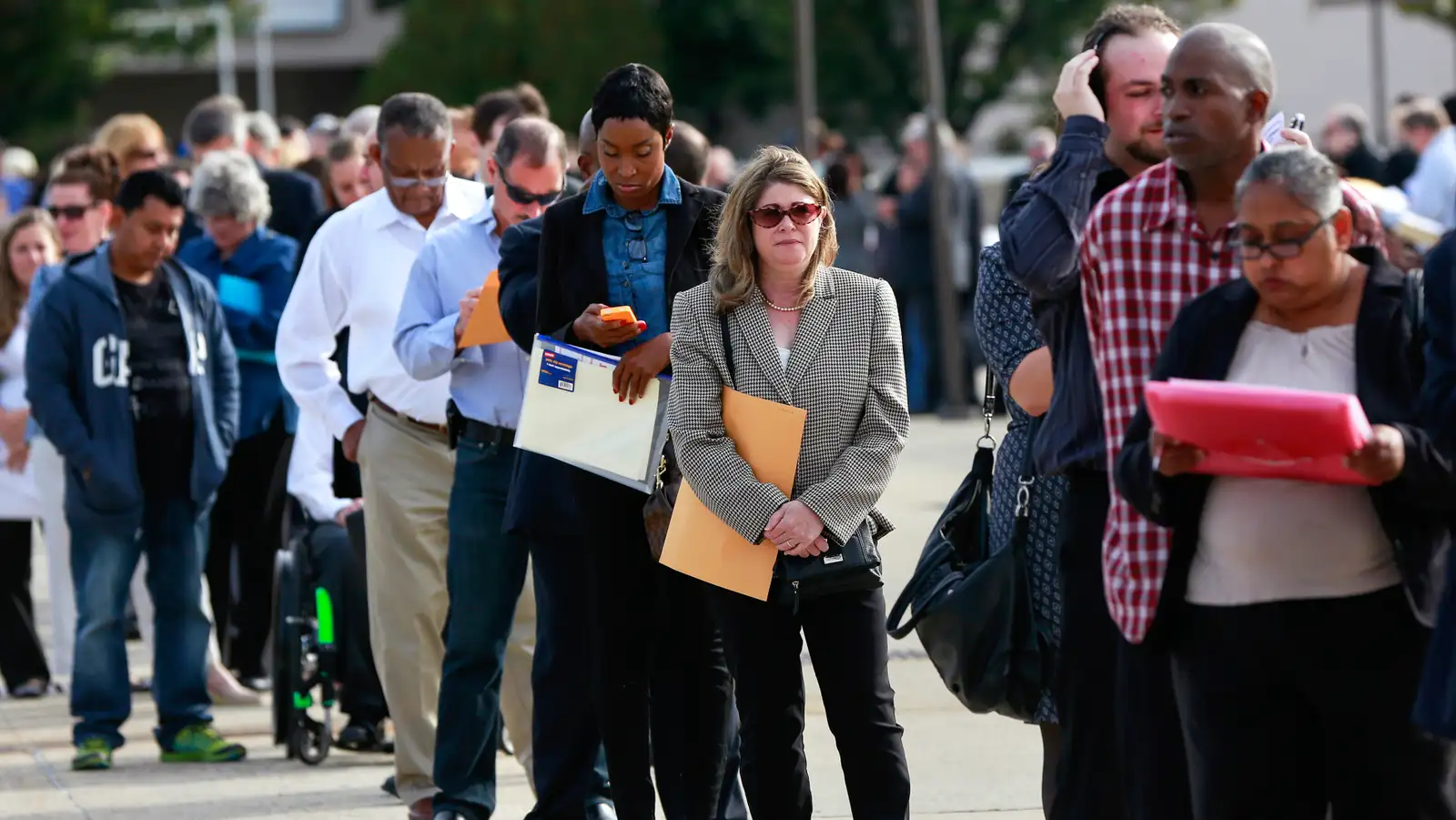
Unemployment remains a pressing issue in the United States, affecting millions of individuals and families across the country. In this article, we will explore the causes and consequences of unemployment, as well as examine potential solutions to this significant socio-economic problem.
Causes of Unemployment
Several factors contribute to unemployment in the USA:
Economic downturns: Economic recessions and downturns can lead to layoffs and business closures, resulting in an increase in the unemployment rate. These downturns often arise from various reasons, including changes in consumer demand, fluctuations in the housing market, or global economic instability.
Technological advancements: Automation and technological advancements have transformed many industries, leading to job losses and the elimination of traditional roles. While these advancements contribute to innovation and efficiency, they can also result in unemployment for individuals whose skills become outdated.
Globalization: Increasing globalization has shifted jobs overseas, particularly in manufacturing and production sectors. Companies may outsource work to countries with lower production costs, leading to job losses for American workers.
Structural unemployment: Structural unemployment occurs when there is a mismatch between available jobs and the skills or location of the workforce. This phenomenon can arise due to changes in market demand, geographical disparities in employment opportunities, or insufficient access to education and training programs.
Consequences of Unemployment Extend Beyond Financial Hardships
Financial difficulties: Unemployment often leads to financial instability, making it challenging for individuals to meet basic needs such as housing, medical care, and food. Long-term unemployment can deplete savings, increase debts, and lead to poverty.
Psychological impact: Unemployment can negatively impact mental health, causing stress, anxiety, depression, and feelings of inadequacy or helplessness. The job search process and social isolation associated with unemployment can exacerbate these mental health issues.
Social consequences: Unemployment can strain relationships and social networks as individuals grapple with feelings of shame or anxiety. Additionally, children and families may experience negative consequences, including disrupted routines, strained family relationships, and limited access to resources.
Economic impact: Unemployment leads to a decrease in consumer spending as unemployed individuals have limited opportunities to spend money on goods and services. This can have a negative impact on local economies, resulting in reduced sales, increased inventories, and decreased business revenues.
Potential Solutions to Unemployment
While unemployment is a complex issue, there are certain strategies and programs that can help reduce its prevalence:
Economic stimulus: Encouraging economic growth and entrepreneurship can create new jobs and reduce unemployment rates. This may include fiscal incentives, investments in key industries, establishment of small business support programs, and development of new technologies.
Education and training: Investing in education and training can help adapt the workforce to changes in labor market demands. Training programs, skills development, and retraining initiatives can provide unemployed or job-seeking individuals with the necessary skills and knowledge for competitive employment in the modern economy.
Social programs and support: Developing social programs such as unemployment insurance, job search assistance programs, and social assistance can provide support for those experiencing financial hardships due to unemployment.
In the USA, unemployment assistance programs play a crucial role in providing financial support and assistance during the job search period.
Programs provided by the government for the unemployed include:
Unemployment Insurance (UI): This program provides temporary financial assistance to the unemployed during their job search period. Primary financial benefits are usually administered through state unemployment insurance programs, although there are also federal supplement programs that may enhance or extend these benefits.
Job Search Assistance Programs: Many states offer programs and resources to help the unemployed find new employment. These programs may include job workshops, job search training, webinars, and other educational activities.
Retraining and Retraining Programs: Some states provide financial support and opportunities for individuals to undergo training courses to acquire new skills and qualifications that align with the needs of the modern job market.
Housing and Healthcare Assistance Programs: Some unemployed individuals may have access to programs that provide assistance with housing costs and medical services, providing them with necessary support during this challenging period.
Job Search Assistance for Veterans: Special programs offer assistance to veterans in finding employment and transitioning to civilian life after military service.
These programs are designed to assist the unemployed during the transition to new employment and alleviate the financial pressure resulting from job loss. They provide support and resources that can contribute to their successful return to the labor market.
Labor Market Reform: Reforms aimed at improving working conditions, increasing worker protections, and ensuring fair wages can help reduce unemployment and improve the quality of jobs.
Unemployment is a serious issue that has a significant impact on individuals, families, and the economy as a whole. Understanding the causes and consequences of unemployment, as well as developing effective strategies and programs, is key to mitigating its impact and ensuring stable economic development.
