
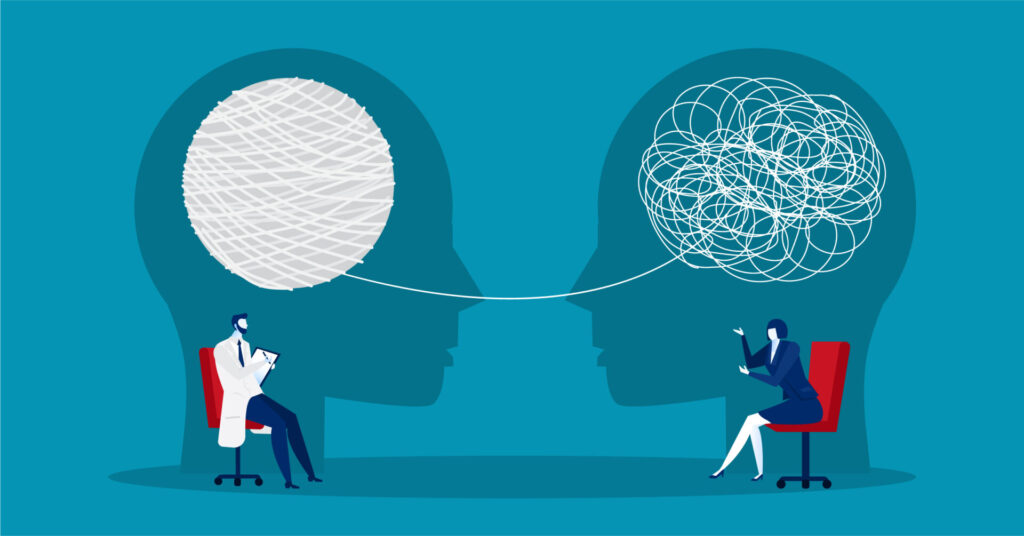
By exploring the intricacies of mental processes and behaviors, psychology provides insights into human nature, mental health, and societal dynamics. This article delves into the fundamentals of psychology, its major branches, benefits, challenges, and future trends.
What is Psychology?
Psychology is a multifaceted discipline that encompasses various theories, practices, and methodologies aimed at understanding the human mind and behavior. It applies scientific methods to study cognitive functions, emotional responses, and social interactions. The ultimate goal is to apply this knowledge to improve mental health and well-being.
Major Branches of Psychology
Clinical Psychology
Clinical psychology focuses on diagnosing and treating mental illnesses and emotional disturbances. Clinical psychologists use various therapeutic techniques, such as cognitive-behavioral therapy (CBT) and psychoanalysis, to help individuals cope with psychological disorders.
Cognitive Psychology
Cognitive psychology examines internal mental processes such as perception, memory, problem-solving, and language. This branch investigates how people process information and how this affects their behavior and learning.
Developmental Psychology
Developmental psychology studies the psychological growth of individuals throughout their lifespan. It looks at how people change and develop from infancy to old age, including cognitive, emotional, and social development.
Social Psychology
Social psychology explores how individuals are influenced by others and their social environment. It examines topics like social perception, group behavior, aggression, prejudice, and interpersonal relationships.
Industrial-Organizational Psychology
Industrial-organizational psychology applies psychological principles to workplace environments. It focuses on improving productivity, selecting and training employees, and enhancing job satisfaction and overall organizational effectiveness.
Benefits of Psychology
Improved Mental Health
Psychology plays a crucial role in understanding and treating mental health issues. Through various therapeutic approaches, psychologists help individuals manage stress, anxiety, depression, and other mental health conditions, leading to improved quality of life.
Enhanced Relationships
By studying social interactions and communication patterns, psychology helps improve relationships. Understanding psychological principles can lead to better conflict resolution, enhanced empathy, and stronger personal and professional relationships.
Personal Growth and Development
Psychology provides tools for personal growth by helping individuals understand themselves better. Techniques such as mindfulness, self-reflection, and cognitive restructuring can foster personal development and emotional resilience.
Challenges in Psychology
Ethical Considerations
Ethical dilemmas are prevalent in psychological research and practice. Ensuring informed consent, confidentiality, and the responsible treatment of participants and clients are paramount. Balancing the need for scientific inquiry with ethical standards is a constant challenge.
Complexity of Human Behavior
Human behavior is complex and influenced by numerous factors, including genetics, environment, culture, and personal experiences. This complexity makes it challenging to create universal theories or treatments that apply to everyone.
Stigma and Misunderstanding
Mental health stigma remains a significant barrier to seeking psychological help. Misunderstandings about psychology and mental illness can prevent individuals from accessing the support they need, perpetuating negative stereotypes and discrimination.
Future Trends in Psychology
Integration of Technology
The integration of technology in psychology is transforming how mental health services are delivered. Teletherapy, mobile health apps, and virtual reality are providing new avenues for treatment and expanding access to psychological care.
Positive Psychology
Positive psychology focuses on enhancing well-being and happiness rather than merely treating mental illness. This growing field explores strengths, virtues, and factors that contribute to a fulfilling life, promoting mental wellness and resilience.
Neuropsychology
Advancements in neuroscience are deepening our understanding of the brain’s role in behavior and mental processes. Neuropsychology bridges the gap between psychology and biology, leading to more precise interventions for psychological disorders.
Conclusion
Psychology offers invaluable insights into the human mind and behavior, contributing to improved mental health, personal development, and societal well-being. Despite challenges such as ethical considerations and the complexity of human behavior, the field continues to evolve with emerging trends like technology integration and positive psychology. As our understanding of the mind expands, psychology will remain a vital tool for enhancing human potential and addressing mental health needs.
