
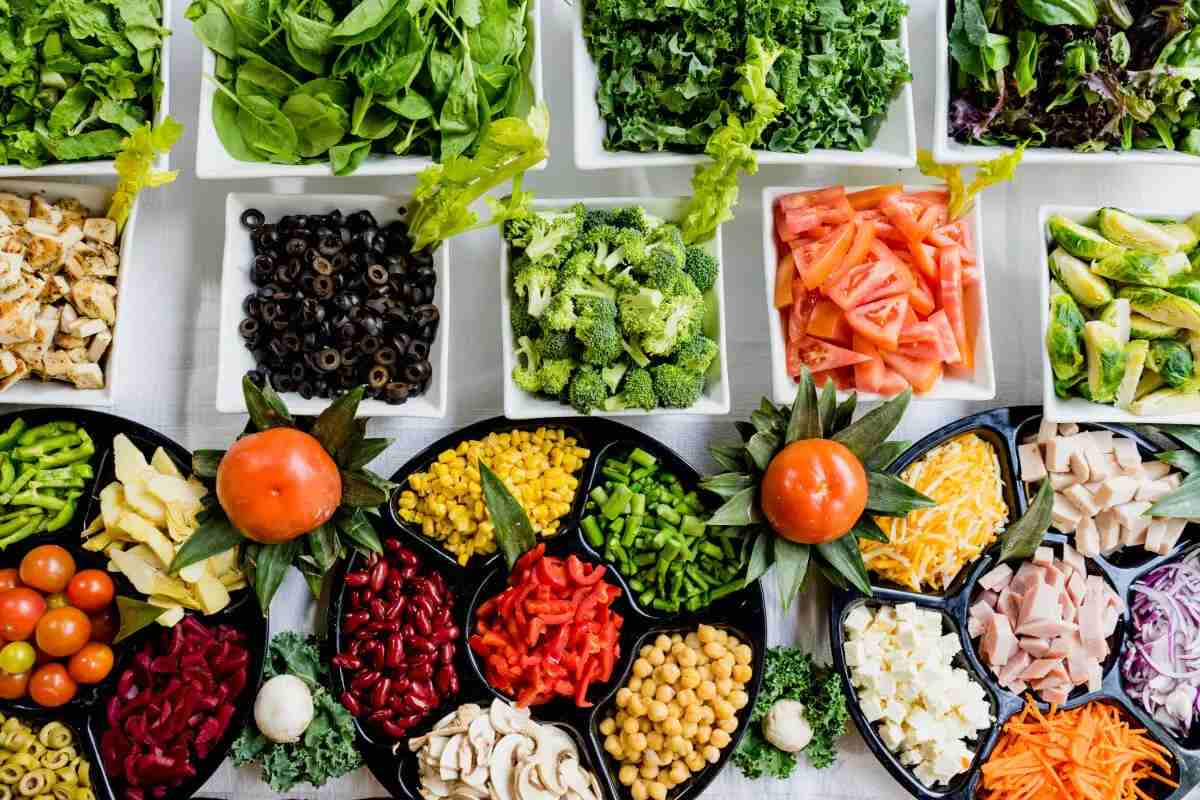
In recent years, there has been a notable shift towards plant-based diets, with more people opting to incorporate more fruits, vegetables, grains, nuts, and seeds into their meals while reducing their consumption of animal products. This dietary trend is driven by various factors, including health concerns, environmental consciousness, and ethical considerations. Let’s delve into the benefits and challenges associated with plant-based diets.
Benefits:
- Improved Health: Plant-based diets are associated with numerous health benefits, including reduced risk of heart disease, diabetes, certain cancers, and other chronic conditions. Fruits, vegetables, and whole grains are rich in vitamins, minerals, fiber, and antioxidants, which support overall health and well-being.
- Weight Management: Plant-based diets are often lower in calories and saturated fats while being higher in fiber, which can aid in weight management and promote satiety. Many plant-based foods are also naturally low in cholesterol and sodium, making them conducive to maintaining a healthy weight.
- Environmental Sustainability: Plant-based diets have a lower environmental footprint compared to diets rich in animal products. Producing plant-based foods typically requires fewer natural resources, such as land, water, and energy, and generates fewer greenhouse gas emissions. By choosing plant-based options, individuals can contribute to mitigating climate change and preserving natural ecosystems.
- Animal Welfare: Adopting a plant-based diet aligns with ethical concerns about animal welfare and cruelty in industrial farming practices. By reducing or eliminating the consumption of animal products, individuals can promote more humane treatment of animals and support sustainable farming practices.
Challenges:
- Nutritional Considerations: While plant-based diets can be highly nutritious, they may require careful planning to ensure adequate intake of essential nutrients such as protein, iron, calcium, vitamin B12, and omega-3 fatty acids. Some plant-based foods may also contain antinutrients or require specific cooking methods to enhance their digestibility and nutrient absorption.
- Social and Cultural Factors: Adopting a plant-based diet may pose challenges in social settings, such as family gatherings, restaurants, and social events, where plant-based options may be limited or unavailable. Additionally, cultural traditions and dietary norms may influence individuals’ dietary choices and make it challenging to adhere to a plant-based lifestyle.
- Food Accessibility and Affordability: Access to fresh produce and plant-based alternatives may vary depending on geographic location, socioeconomic status, and food availability. In some areas, plant-based foods may be less accessible or more expensive than processed or animal-based foods, limiting their adoption among certain populations.
- Transitioning Process: Transitioning to a plant-based diet can be a gradual process for some individuals, requiring adjustments to cooking methods, meal planning, and food shopping habits. It may take time to explore new recipes, flavors, and cooking techniques and find plant-based alternatives that suit individual preferences and dietary needs.
The rise of plant-based diets reflects a growing awareness of the interconnectedness between dietary choices, personal health, environmental sustainability, and ethical considerations. While plant-based diets offer numerous benefits for health, the environment, and animal welfare, they also present challenges related to nutritional adequacy, social dynamics, food accessibility, and transitioning processes. By addressing these challenges and embracing the diversity and versatility of plant-based foods, individuals can enjoy a balanced and nourishing diet that promotes their well-being and supports a more sustainable future.
