
The automotive market in the United States is a multifaceted landscape influenced by various factors, including consumer preferences, technological advancements, economic conditions, and regulatory policies. Understanding the dynamics of this market provides insights into its evolution, current trends, and future prospects.
Consumer Preferences and Trends
Consumer preferences play a significant role in shaping the automotive market. In recent years, there has been a notable shift towards eco-friendly vehicles, including hybrid and electric cars, driven by concerns over environmental sustainability and fuel efficiency. Additionally, there is growing demand for vehicles equipped with advanced safety features, connectivity options, and autonomous driving capabilities.
SUVs and trucks continue to dominate the market, reflecting Americans’ preference for larger vehicles that offer versatility and cargo space. However, there is also a niche market for compact cars and luxury vehicles, catering to different demographic segments and lifestyle preferences.
Technological Advancements
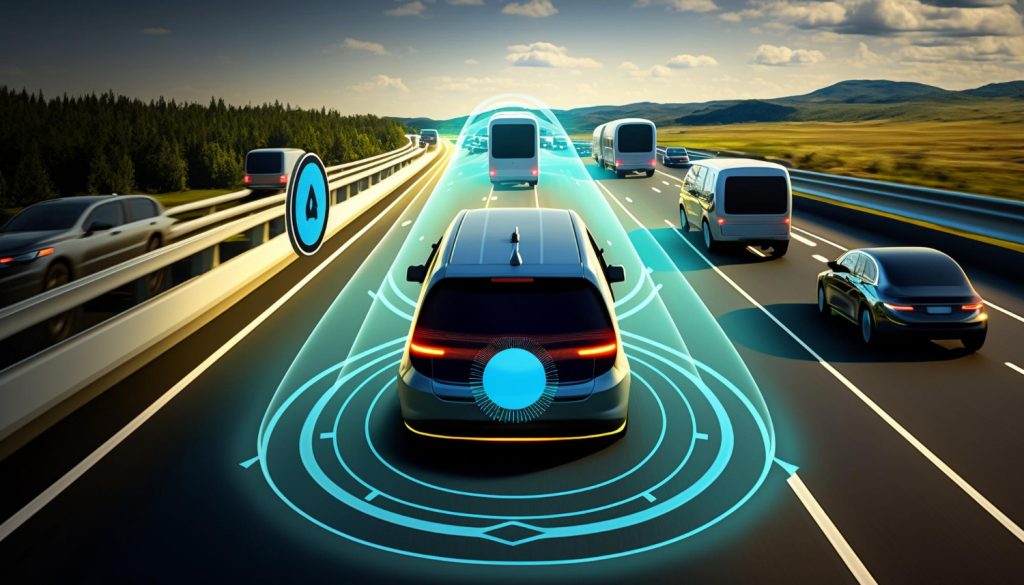
The automotive industry is undergoing rapid technological advancements, transforming the way vehicles are designed, manufactured, and operated. The integration of artificial intelligence, machine learning, and sensor technology has led to the development of smart cars capable of real-time data analysis, predictive maintenance, and enhanced driver assistance systems.
Electric vehicles (EVs) are gaining traction as automakers invest in battery technology and charging infrastructure. The declining costs of EV production and government incentives have made electric cars more accessible to consumers, contributing to their growing popularity in the market.
Economic Factors
Economic conditions, such as interest rates, inflation, and unemployment, influence consumer spending habits and overall demand for automobiles. During periods of economic growth, there is typically higher consumer confidence and increased discretionary spending on vehicles. Conversely, economic downturns can lead to reduced purchasing power and a decline in car sales.
The COVID-19 pandemic had a significant impact on the automotive market, disrupting production lines, supply chains, and dealership operations. However, the industry has shown resilience, with recovery efforts focused on digital sales channels, contactless services, and flexible financing options.
Regulatory Policies
Government regulations and environmental policies play a crucial role in shaping the automotive market, particularly regarding emissions standards, safety regulations, and fuel efficiency requirements. Automakers must comply with stringent guidelines set by federal agencies such as the Environmental Protection Agency (EPA) and the National Highway Traffic Safety Administration (NHTSA).
In recent years, there has been a push for stricter emission standards and greater fuel efficiency to mitigate climate change and reduce dependence on fossil fuels. This has prompted automakers to invest in alternative fuel technologies, including hydrogen fuel cells and renewable energy sources.
Future Outlook
Looking ahead, the automotive market in the USA is poised for further innovation and evolution. The rise of electric and autonomous vehicles, coupled with advancements in connectivity and mobility services, will continue to shape the industry’s landscape. Collaboration between automakers, technology companies, and policymakers will be essential to address challenges related to infrastructure development, regulatory compliance, and consumer adoption.
Overall, the automotive market in the USA is characterized by its dynamism, adaptability, and commitment to driving sustainable growth and innovation. By staying abreast of emerging trends and embracing technological advancements, stakeholders can navigate the evolving landscape and capitalize on new opportunities for success.
