

Africa is reshaping the global fashion industry by combining cultural craftsmanship with eco-friendly practices. Here’s what you need to know:
- The Problem: The fashion industry creates 92 million tons of textile waste annually and contributes to 2–8% of global greenhouse gas emissions.
- Africa’s Role: African brands are using locally sourced, upcycled materials and slow fashion methods to reduce waste and support artisans.
- Key Brands to Watch:
- Sindiso Khumalo: Uses organic cotton and partners with artisans in Burkina Faso.
- KARIGAM: Focuses on organic cotton and fair trade principles.
- MaXhosa Africa: Sources South African mohair and enforces a zero-waste policy.
- Mami Wata: Upcycles second-hand clothing and supports surf therapy programs.
- lemlem: Preserves Ethiopian weaving traditions and empowers women.
- Autumn Adeigbo: Combines made-to-order production with fair trade practices.
- LaOculta: Merges Kenyan and Colombian craftsmanship with organic fabrics.
- SOKOLATA: Uses recycled brass and connects artisans via a virtual factory.
- Maisha by Nisria: Upcycles discarded fabrics and funds community programs.
- Eva Wambutu: Repurposes second-hand denim and promotes biodegradable fabrics.
Quick Comparison
| Brand | Materials Used | Artisan Partnerships | Waste Reduction Approach |
|---|---|---|---|
| Sindiso Khumalo | Organic cotton, hemp | Burkina Faso artisans | Small-scale production |
| KARIGAM | Organic cotton, recycled waste | Yes | Circular production model |
| MaXhosa Africa | South African mohair & wool | 300+ artisans | Zero-waste policy |
| Mami Wata | African cotton, upcycled items | Liberia artisans | Repurposed second-hand clothing |
| lemlem | Handwoven cotton | Ethiopia, Kenya | Ethical labor practices |
| Autumn Adeigbo | Made-to-order fabrics | West African artisans | Minimal fabric waste |
| LaOculta | Organic African fabrics | Kenya, Colombia | Slow fashion |
| SOKOLATA | Recycled brass, local glass | Kenyan artisans | Component-based production |
| Maisha by Nisria | Upcycled textiles | Local youth | Zero-waste |
| Eva Wambutu | Biodegradable fabrics | Kenya | Repurposed denim |
African brands are proving that fashion can be sustainable, ethical, and deeply rooted in heritage. By blending traditional techniques with eco-conscious methods, they are setting a global example for responsible fashion.
EP 3: Decoding sustainability for African fashion brands with Hadeel Osman
1. Sindiso Khumalo
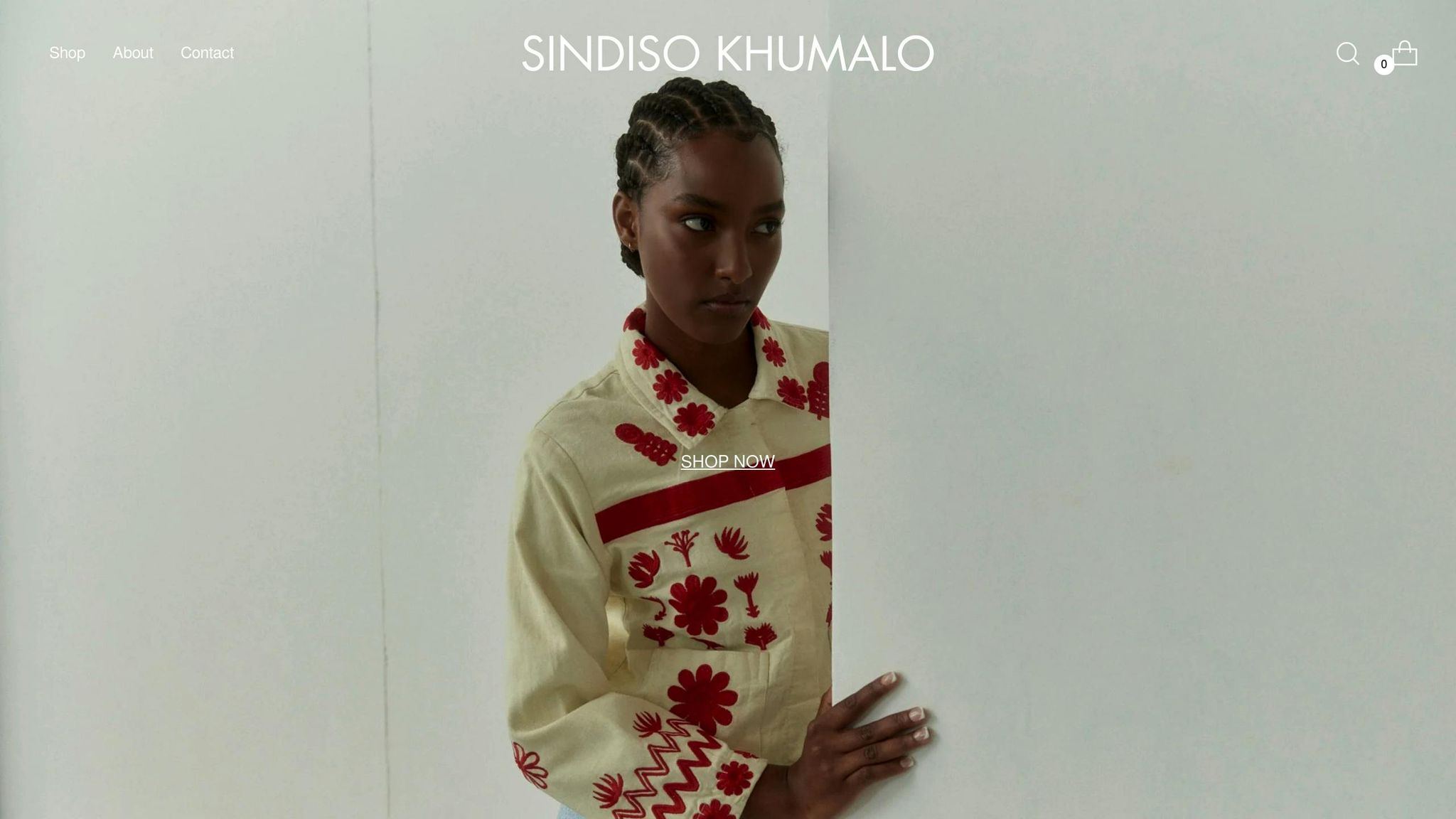
South African designer Sindiso Khumalo is making waves in fashion by combining eco-conscious design with storytelling rooted in African heritage. Her work not only celebrates African culture but also aims to create meaningful change by prioritizing environmentally friendly practices.
Use of Eco-Friendly and Locally Sourced Materials
Khumalo relies on sustainable materials like hemp, linen, African and organic cotton, as well as pre-loved and deadstock fabrics. By partnering with small local factories, she supports artisans and helps preserve traditional craftsmanship. Her collections often feature hand-woven textiles, crafted in collaboration with these factories, ensuring that her designs are both resourceful and eco-conscious.
"As an African designer, what truly matters to me is designing clothing that can highlight my African heritage and history and bring it to light in a contemporary setting… The starting point for the co-lab collection was working with materials that were sourced in a more sustainable way. It’s essential for me to use more sustainable materials and to create garments that are going to be long-lasting."
Collaboration with Artisans and Local Communities
Khumalo’s commitment to sustainability extends beyond materials – she actively works with artisans and communities across Africa. Through partnerships with organizations like the United Nations Ethical Fashion Initiative and Cape Town–based Embrace Dignity, she provides training in hand embroidery and crochet, empowering women and preserving traditional techniques. She has also commissioned artisans in Ouagadougou, Burkina Faso, to create unique prints, offering economic opportunities to rural communities. This collaborative approach not only keeps traditional skills alive but also builds spaces where women can connect, create, and thrive.
Methods for Waste Reduction
To combat waste, Khumalo focuses on thoughtful, smaller-scale production. By avoiding mass production, she ensures that each garment is purposeful, durable, and designed to last. Her approach emphasizes longevity and circularity, creating timeless pieces that resist the fleeting nature of fashion trends.
"Fashion has become too fast. So much waste is produced. Someone gets squeezed if there’s that much waste – and it’s usually the small producer, independent boutique or up-and-coming designer."
Her designs reflect a philosophy of intentionality, offering clothing that stands the test of time while supporting a more sustainable future.
2. KARIGAM

KARIGAM is a trailblazer in sustainable fashion, seamlessly blending traditional African craftsmanship with modern environmentally conscious practices. This label has earned recognition for its unique designs, all while adhering to strict environmental guidelines and uplifting local communities across Africa.
Eco-Friendly and Locally Sourced Materials
KARIGAM places environmental responsibility at the core of its production. The brand uses materials that reduce ecological harm, such as organic cotton grown without pesticides and sustainably tapped natural rubber, which offers a biodegradable option. Additionally, KARIGAM incorporates recycled post-consumer waste into its designs. This approach not only minimizes waste but also supports a circular production model, fostering strong partnerships with artisans.
Partnerships with Artisans and Local Communities
KARIGAM’s commitment to sustainability extends beyond materials to meaningful collaborations with local artisans. The brand actively partners with skilled craftspeople across Africa, ensuring that traditional techniques are preserved and celebrated. These partnerships are built on fair trade principles, offering artisans stable income and economic independence. By showcasing their time-honored skills in its collections, KARIGAM highlights the artistry and dedication of these communities while contributing to their economic growth.
Ethical Labor Practices
KARIGAM also emphasizes ethical labor practices, ensuring a positive impact on workers, the environment, and consumers. Studies show that happy employees are 13% more productive, and 93% are likely to stay with companies that invest in their growth. KARIGAM takes these findings to heart by fostering a supportive work environment, providing fair wages, and prioritizing employee development. This approach resonates with modern consumers – 92% of millennials say they prefer to buy from companies with genuine ethical values.
3. MaXhosa Africa

MaXhosa Africa celebrates heritage while prioritizing ethical business practices. Founded by Laduma Ngxokolo, the brand has spent over a decade redefining luxury knitwear by weaving Xhosa traditions into its slow-fashion philosophy.
Eco-Friendly and Locally Sourced Materials
MaXhosa Africa takes pride in using South African mohair and wool, sourced directly from local farmers in Port Elizabeth. This approach not only reduces transportation emissions but also bolsters the local agricultural economy.
"We are in the business of slow fashion and have been so for the past ten years. Becoming sustainable has been an organic process. We aim to make sustainability luxury, sourcing our wool and manufacturing locally, which means that our clientele gets the greatest output from the reuse of materials primarily being woollen yarn and zero synthetic materials."
– Ntsika Tyatya, Head of Digital for MaXhosa
By relying exclusively on natural woolen yarn and avoiding synthetic materials, MaXhosa Africa minimizes its environmental footprint. The brand pairs its material choices with rigorous waste reduction practices, further solidifying its commitment to sustainability.
Waste Reduction Practices
At its production facility, MaXhosa Africa enforces a zero-waste policy, ensuring every material is used efficiently. This demonstrates how luxury fashion can merge elegance with environmental responsibility.
"Sustainability is not just a keyword in fashion, it is a way of life. We as designers have to try at best to reduce the amount of waste that fashion produces in the world. Also the way in which we price and move towards slow fashions adds to showing clients a more sustainable way to consume our productions. We adopted a zero waste policy at our production facility and we ensure that we create with only sustainable fibers and genuine natural materials."
This philosophy encourages consumers to value high-quality, durable pieces, standing in stark contrast to the disposable nature of fast fashion.
Collaboration with Artisans and Local Communities
MaXhosa Africa seamlessly blends tradition with modern design by incorporating Xhosa patterns, techniques, and symbolism into its collections. The brand employs over 300 people across its supply chain, including 60 artisans working in its dedicated studio [37,41]. This focus on community engagement not only preserves traditional craftsmanship but also provides stable employment, reflecting Africa’s growing influence in sustainable fashion.
"We have a responsibility as Africans to define our future and not let others come in and do it for us."
– Laduma Ngxokolo
By managing its production locally and sourcing materials within Africa, MaXhosa Africa ensures its success directly benefits African communities.
Ethical Labor Practices
Ethical labor is a cornerstone of MaXhosa Africa’s operations. Founder Laduma Ngxokolo embraces the "triple Ps" philosophy – people, planet, and profit – placing the well-being of the community at the forefront.
"We don’t just feel that it is important. We feel that it is an obligation to be a conscious brand, not just within the environmental space… Our brand pillar is triple Ps, but people come first, the planet comes second, and profit, of course, is what sustains into the future."
– Laduma Ngxokolo, Founder
This people-focused approach fosters economic security for artisans and aligns with the brand’s slow-fashion ethos.
"Now is the time to showcase the deeply considered sustainability practices behind each and every MaXhosa garment, from sourcing the raw materials through superior finishing. An approach that ensures quality and long-lasting, slow-fashion."
– Laduma Ngxokolo, MaXhosa’s Founder and Designer
4. Mami Wata
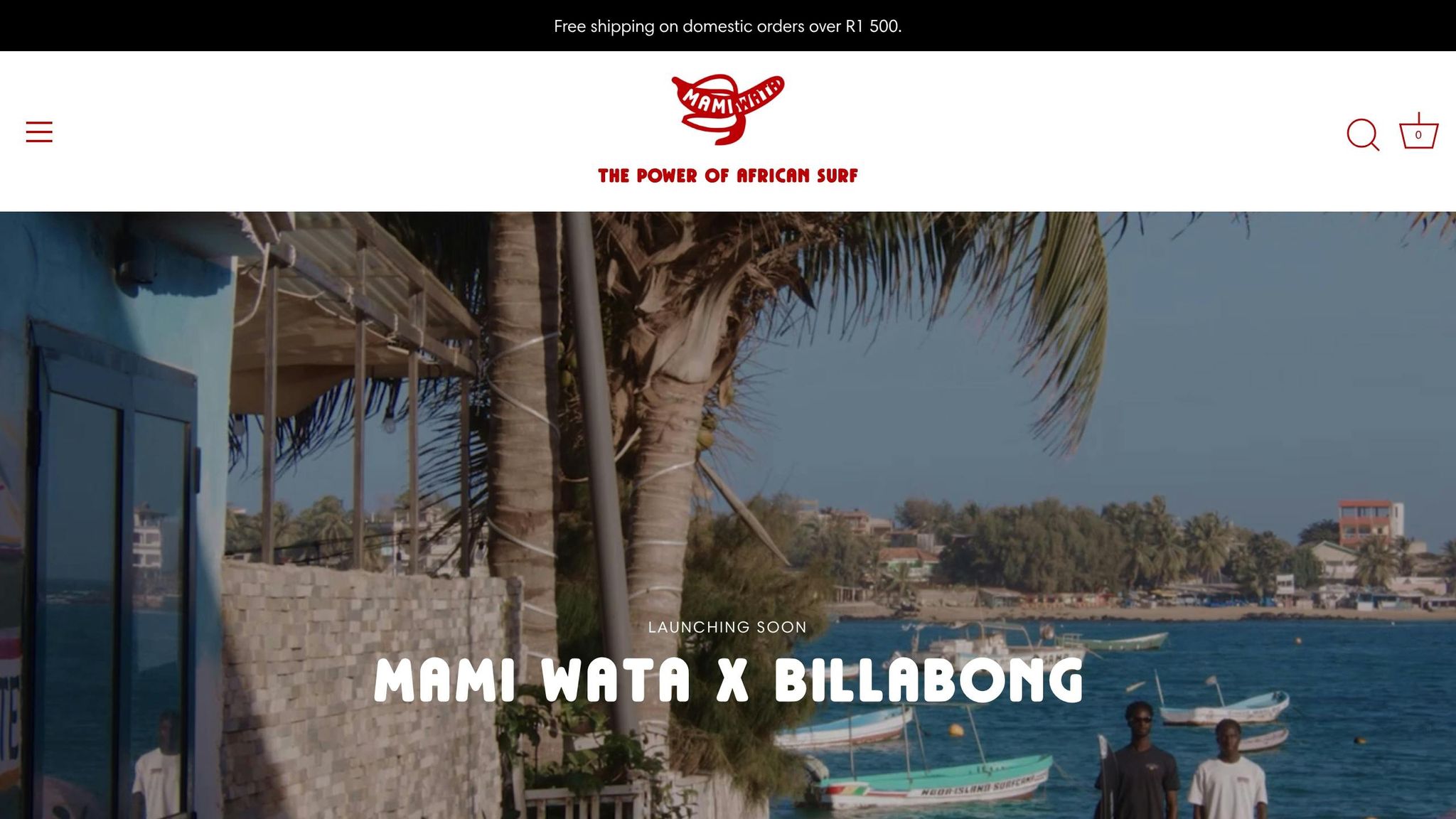
Mami Wata is a South African surf and lifestyle brand deeply rooted in African heritage and dedicated to environmentally conscious practices. The name "Mami Wata" comes from West African pidgin English, translating to "Mother Ocean", symbolizing the brand’s connection to both nature and culture.
Focus on Eco-Friendly and Locally Sourced Materials
Mami Wata places a strong emphasis on using African cotton, a resource that represents just 8% of the global cotton supply. By prioritizing this material, the brand not only supports local farmers but also reduces transportation-related emissions. Additionally, Mami Wata incorporates Better Cotton Initiative-certified cotton and ensures its packaging is compostable and made from recycled materials. This approach reflects the brand’s commitment to sustainability and empowering local communities.
Partnerships with Artisans and Local Communities
Staying true to its "Made-in-Africa" philosophy, Mami Wata collaborates with African artisans and artists, drawing inspiration from South African culture. By producing all its goods within Africa, the brand supports authentic creativity while fostering job creation and skill development. A notable example is the Robertsport Surf Club Liberia collection, which helps fund surf therapy programs in Liberia. This initiative demonstrates how fashion can be a force for positive social change.
Tackling Waste Through Innovation
Mami Wata also takes an inventive approach to reducing waste. In February 2023, the brand introduced the "Amerique-Afrique-Amerique" collection in partnership with second-hand retailer 3thrifty5. This collection repurposes sweatshirts and hoodies sourced from Johannesburg’s Dunusa market, transforming them with bold graphics and airplane motifs that tell the story of each garment’s global journey. This creative reuse addresses the pressing issue of textile waste in the fashion industry.
"The waste of the west becomes an entity and commodity of the Global South, and through the nuances of language, conversation, self-expression, and silk-screening, the blank canvas of clothing enables creativity and empowerment." – Nick Dutton, Mami Wata Co-Founder and CEO
Nick Dutton’s perspective highlights how discarded clothing can be reimagined, turning environmental challenges into opportunities for economic and artistic growth within local communities. Through this vision, Mami Wata transforms waste into a platform for empowerment and creativity.
5. lemlem

Founded in 2007 by Ethiopian supermodel Liya Kebede, lemlem is dedicated to preserving Ethiopia’s rich weaving traditions while promoting economic opportunities across Africa.
The name "lemlem" translates to "to bloom and flourish" in Amharic, a fitting reflection of the brand’s mission. This ethos is woven into every aspect of lemlem’s work, from sourcing materials to fostering meaningful partnerships with local communities.
Collaboration with Artisans and Local Communities
Liya Kebede’s inspiration for lemlem came from witnessing traditional weavers in Ethiopia losing their livelihoods. She saw an opportunity to create a brand that could provide sustainable jobs while celebrating their craft. In her own words:
"I never thought about having my own brand until I suddenly saw it as a solution to create sustainable jobs so traditional weavers from my country could make a good living doing what they love, transforming traditional skill into modern collections that we sell around the world." – Liya Kebede
Each piece in lemlem’s core collections is meticulously handcrafted by artisans using traditional cotton weaving techniques. This approach not only ensures high-quality, one-of-a-kind fabrics but also brings ancient skills into the global fashion arena.
Beyond Ethiopia, lemlem has extended its collaborative efforts to other countries, working with artisans in Kenya for its ready-to-wear collections and in Morocco for its swimwear line.
Commitment to Ethical Labor Practices
lemlem goes beyond craftsmanship by adhering to strict ethical labor practices. The brand partners with independent artisans across Africa and maintains a transparent supply chain to ensure fair working conditions. Its impact is amplified through the lemlem Foundation, which focuses on empowering women artisans by providing access to healthcare, education, and job opportunities.
This dedication to ethical practices has earned lemlem recognition, including a "good" rating from sustainability watchdog Good On You and a People rating of 4 out of 5 .
Through her vision, Liya Kebede has shown how fashion can connect traditional artistry with global markets, creating a model that uplifts communities while celebrating heritage.
6. Autumn Adeigbo
Autumn Adeigbo is reshaping the fashion world by blending ethical values with creative ingenuity, all while honoring Africa’s deep-rooted traditions in sustainable craftsmanship. Her brand is built on a simple yet profound mission: to make a difference through fashion. As she puts it:
"I wanted to be a fashion designer to give back, period." – Autumn Adeigbo
Prioritizing Eco-Friendly and Locally Sourced Materials
A cornerstone of Adeigbo’s brand is her commitment to reducing waste and promoting mindful consumption. By adopting a made-to-order production model, she significantly cuts down on fabric waste, overproduction, and leftover inventory. Impressively, 90% of the materials she uses come from supply chain countries that uphold living-wage practices.
Partnering with Artisans and Supporting Communities
Adeigbo works closely with artisans and women in West Africa, incorporating traditional techniques like Maasai beadwork and Rwandan raffia weaving into her contemporary designs. Her efforts extend beyond aesthetics – her brand has initiated four fair-trade production pilots across Africa, creating opportunities for education and employment while reinvesting in these communities.
Upholding Ethical Labor Standards
Her dedication to ethical labor is evident in her partnerships with women-owned production facilities in both the United States and India. These collaborations ensure fair wages and provide meaningful work for artisans, reflecting her belief that fashion can be a force for empowerment and cultural preservation.
Autumn Adeigbo’s work is a testament to how thoughtful design and ethical practices can transform the fashion industry, proving that style and social impact can go hand in hand.
sbb-itb-593149b
7. LaOculta
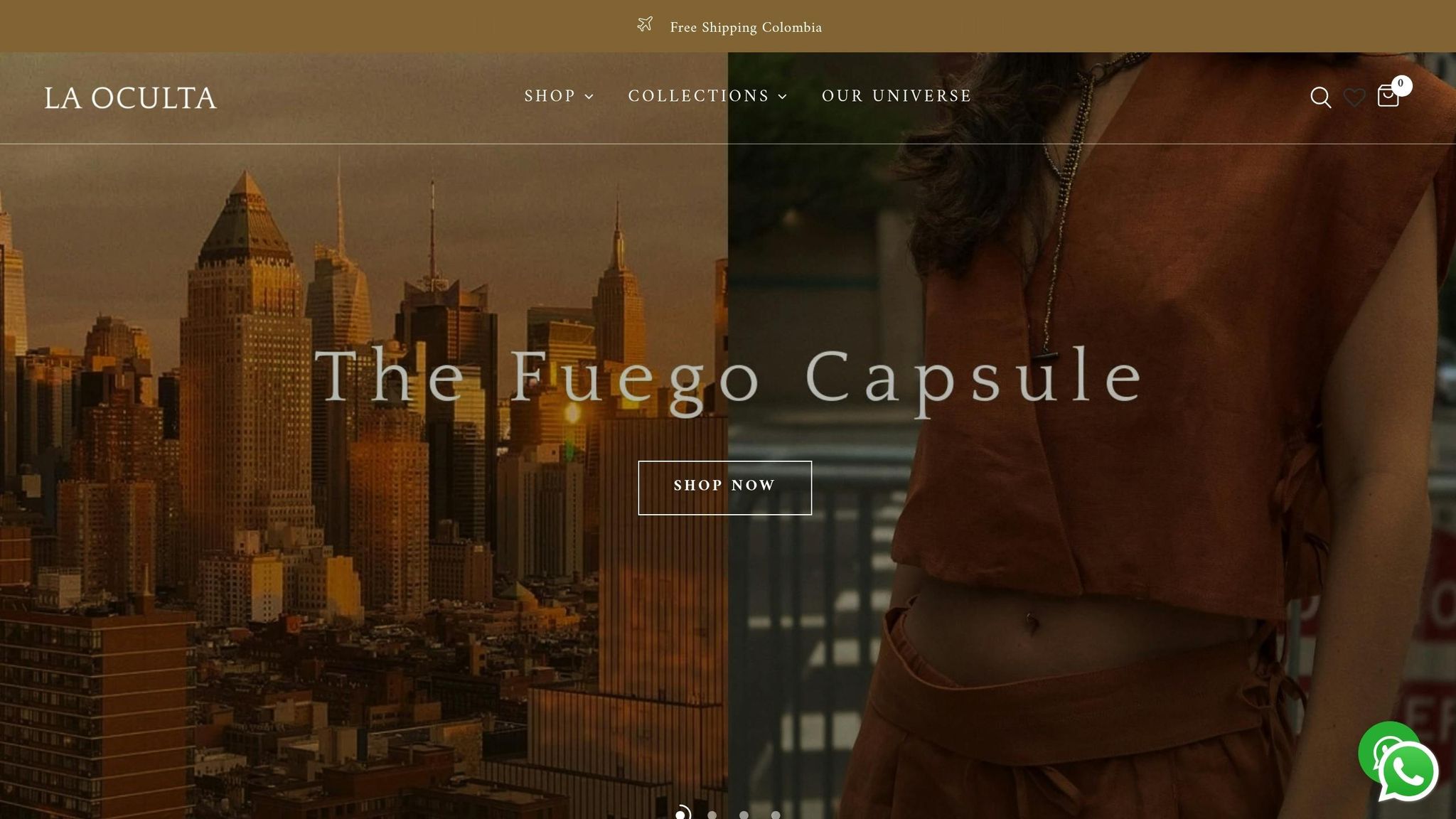
LaOculta is a womenswear brand that bridges two continents – Kenya and Colombia. This blend of African heritage and Latin American craftsmanship creates a distinctive presence in sustainable fashion. The brand weaves environmental and social responsibility into every stage of its process.
Focus on Eco-Friendly, Locally Sourced Materials
LaOculta emphasizes using natural materials sourced from Africa, aligning with its commitment to sustainability. The brand is a strong advocate for the slow fashion movement, prioritizing quality over mass production. This approach underscores their dedication to promoting organic fabrics, a sentiment echoed by Brian Kihindas, Creative Director of Nairobi Fashion Week:
"Our goal is to promote organic fabrics and sustainable fashion, and we believe this platform will help us reclaim and celebrate our story."
By choosing eco-conscious materials, LaOculta not only honors the environment but also uplifts the communities involved in creating their pieces.
Partnering with Artisans and Local Communities
Collaboration lies at the heart of LaOculta’s mission. The brand works closely with artisans from Kenya and Colombia to merge traditional techniques with modern design. This partnership ensures that ancestral methods are preserved while being reimagined for contemporary luxury fashion.
"At La Oculta, our artisans are the soul of our creations. From the heart of Colombia to the vibrant landscapes of Africa, their hands carry the weight of tradition and craftsmanship."
Each garment tells a story, incorporating details like Andean embroideries, indigo dyes from Burkina Faso, and recycled glass buttons from Ghana.
Upholding Ethical Labor Practices
LaOculta’s commitment to ethical labor practices is deeply rooted in its cross-cultural collaborations. By working directly with artisans in Kenya and Colombia, the brand ensures fair treatment and ethical standards throughout its supply chain.
Through its designs, LaOculta exemplifies how fashion can connect cultures while maintaining high ethical standards. Their minimalist, timeless pieces are a testament to the harmonious blend of global craftsmanship and sustainable values.
8. SOKOLATA
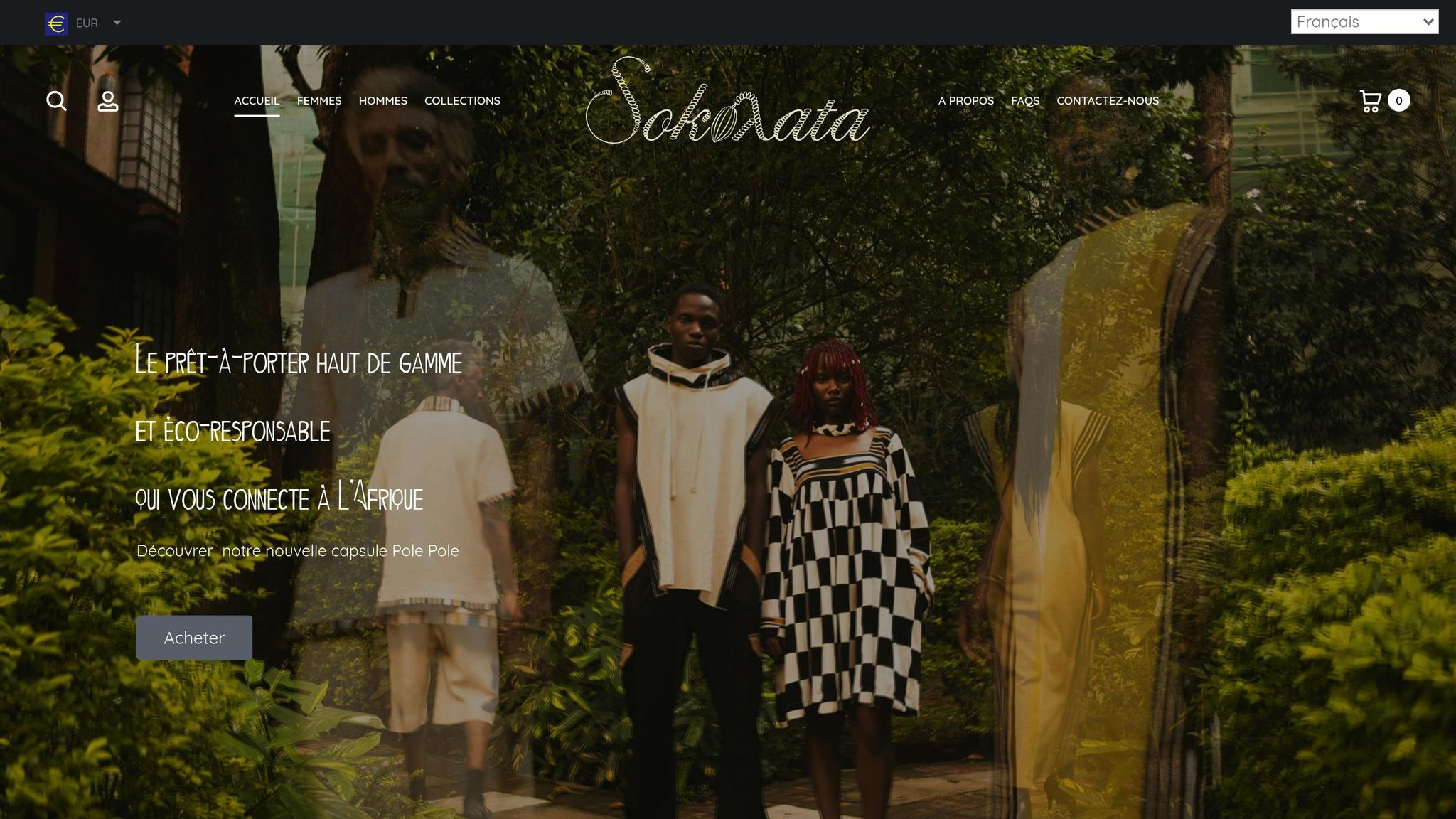
SOKOLATA is redefining sustainable fashion by merging Kenya’s rich artisan traditions with modern technology. The company creates fashion accessories that not only celebrate craftsmanship but also benefit artisans and consumers, all while adhering to environmentally conscious practices. Let’s take a closer look at how SOKOLATA achieves this balance.
Collaboration with Artisans and Local Communities
SOKOLATA operates through a cutting-edge virtual factory model that directly connects Kenyan artisans with global markets. Using a mobile app, artisans can seamlessly manage orders, communicate with the company’s international team, and streamline production processes. The brand’s network includes 2,500 artisans who work within a component-based system – different workshops specialize in creating specific elements of a product.
"Our model enables work for all different types of artisans by leveraging the available natural resources and talent. In Kenya this includes the use of up-sourced horns and bones, wire, and cast brass. We utilize a component-based manufacturing and assembly model. Within a single design, you may find there are elements from three different workshops that worked separately to contribute to a product. A horn workshop may produce a pendant, a hook is produced by another, and the finished assembly is brought together at Soko’s central workshop."
– Ella Peinovich, Soko co-founder
The company also uses machine-learning technology to match product orders with artisans based on their skills, reputation, and performance. This approach allows artisans to handle inventory, arrange deliveries, and receive payments directly through their mobile devices, making the process both efficient and empowering.
Use of Eco-Friendly and Locally Sourced Materials
SOKOLATA prioritizes sustainability by using recycled brass and locally sourced glass, supporting Kenya’s circular economy while reducing environmental impact. Additionally, the brand repurposes materials like up-sourced horns and bones – items that might otherwise go to waste – into beautiful, handcrafted accessories. This thoughtful sourcing not only lowers emissions from transportation but also ensures the materials are perfectly suited to the artisans’ traditional techniques.
Commitment to Ethical Labor Practices
SOKOLATA takes ethical labor seriously, paying artisans 25–35% of final sales – far above the industry norm of 2–3% – effectively increasing their income fivefold.
"Our model leverages technology to organize artisan skills rather than displace them. Ultimately, that’s meant sustainable, scalable, and dignified work for thousands."
– Ella Peinovich, Soko co-founder
The company’s impact goes beyond individual artisans, uplifting entire communities. With sales projected to reach $6.5 million in 2019, SOKOLATA proves that ethical business practices can fuel economic growth. By collaborating with major retailers like Nordstrom, Reformation, and Free People, the brand showcases Kenyan craftsmanship to a global audience.
"When [artisans] see their product on the former first lady of the United States, they feel a part of something significant. That represents them as much as our brand. As independent entrepreneurs, [they are] not only competing but thriving in the international market. The artisans understand that every minute they spend on orders is building something for themselves and their community, and that community expands around the world with each new product."
– Ella Peinovich, Soko co-founder
9. Maisha By Nisria
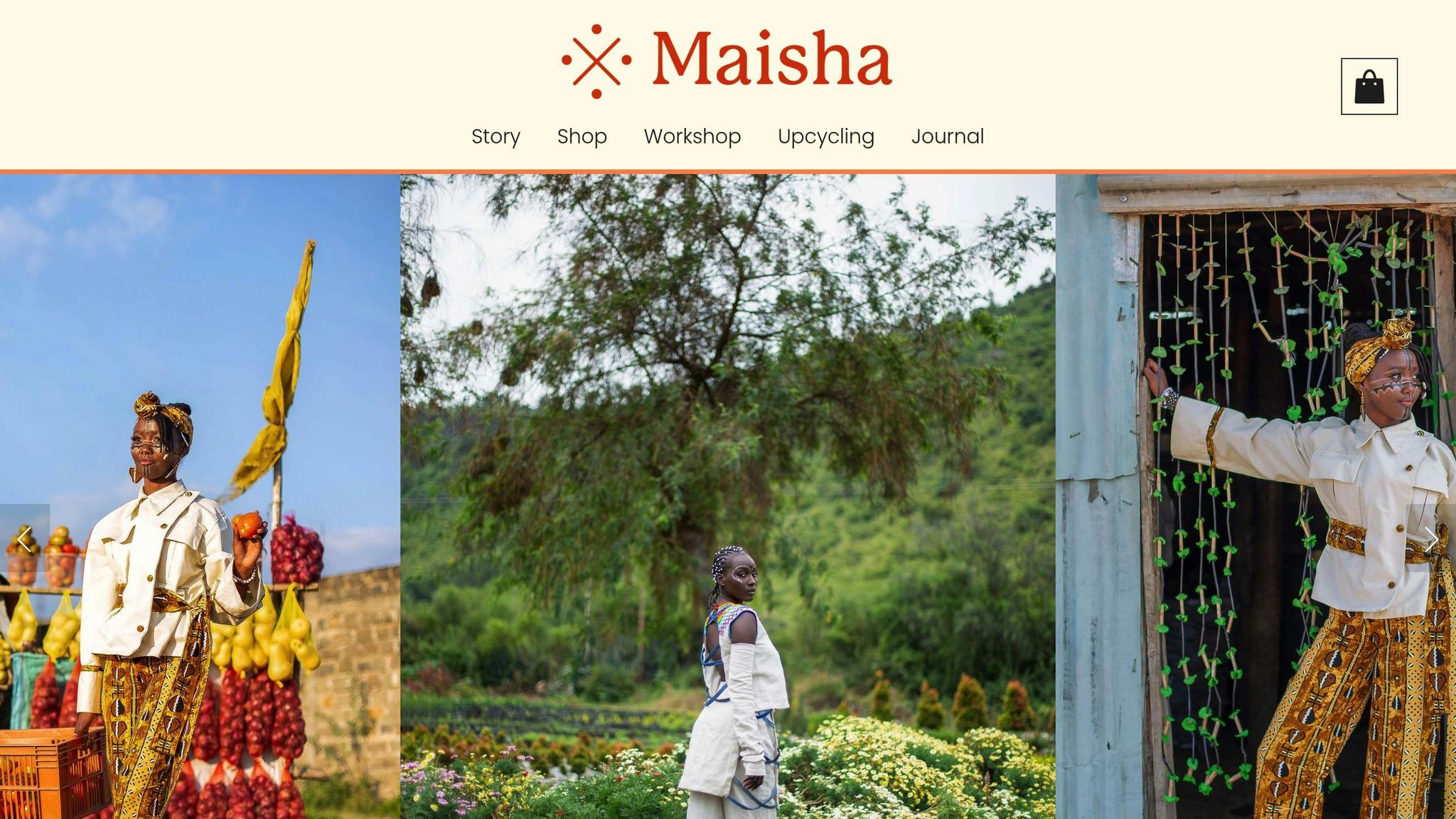
Maisha by Nisria is a fashion and design studio based in Nakuru, Kenya, that’s making waves by turning discarded materials into stylish, modern clothing. As part of the nonprofit Nisria organization, this brand illustrates how fashion can go beyond aesthetics to promote both social change and environmental care. It’s a fresh take on how style can contribute to a better world.
Eco-Friendly and Locally Sourced Materials
At the heart of Maisha by Nisria’s work is upcycling – transforming what’s often considered trash into wearable art. The studio breathes new life into forgotten textiles, showcasing how creativity can rewrite the story of waste.
During Nairobi Fashion Week, the brand highlighted its commitment to sustainability by using discarded fabrics from various sources. A standout piece from their Afropia collection? A cropped high-collar jacket and boxy miniskirt made from repurposed curtains. It’s a bold reminder of how innovative design can elevate even the most unexpected materials.
"You can use anything and everything to make something interesting." – Tausi Conde, Head of Design at Maisha by Nisria
Zero-Waste Approach
Maisha by Nisria follows a strict zero-waste philosophy, ensuring every fabric scrap gets a second life. Leftover materials are crafted into patchwork bags and accessories, turning what could have been waste into new products. This practice not only reduces waste but also provides additional income for the organization, proving that sustainability can be both practical and profitable.
Empowering Artisans and Communities
The studio’s mission goes beyond creating clothing. It’s about uplifting local women and children in Kenya. Product sales fund community programs, internships, and jobs, while their workshop trains people in design and technical skills, helping them build self-sufficient futures. Since its founding in 2020 by Nur M’nasria, Nisria has made a tangible impact, including building nine playgrounds for 900 children in Gilgil, Kenya, and starting the Maisha training program to teach valuable skills.
Ethical Practices That Drive Change
Maisha by Nisria’s approach to labor is rooted in fairness and community empowerment. By involving local youth in production, the studio creates jobs while promoting sustainable practices. This model shows how fashion can inspire larger societal shifts.
"Maisha advocates for a sustainable approach to fashion by using upcycled materials in our production as well as involving the youth in our community to create job opportunities and foster economic empowerment." – Maisha by Nisria
The brand’s work proves that fashion can be more than just clothing – it can be a tool for positive change, blending environmental responsibility with social impact.
10. Eva Wambutu

Eva Wambutu is part of a fresh wave of Kenyan designers showcasing how sustainability and style can go hand in hand. Her standout return to Nairobi Fashion Week Season 6 brought attention to her creative use of eco-friendly materials, setting her apart in the fashion industry.
Use of Eco-Friendly and Locally Sourced Materials
Wambutu prioritizes using biodegradable fabrics sourced locally whenever possible. However, with limited local production, she often turns to costly imports from India to meet her needs. Despite these challenges, she finds innovative ways to work around material shortages. A great example is her latest collection, where she repurposed second-hand denim into intricate striped designs. These creations are bold, stylish, and environmentally conscious all at once.
"I want to show that clothes can be fashionable and functional, even with biodegradable fabrics. My vision is to create techniques that are both fashion-forward and classic, proving that sustainability is not just about fabrics but also about working with the environment to foster economic growth and provide a lifeline for young designers." – Eva Wambutu
Collaboration with Artisans and Local Communities
Wambutu’s influence extends beyond her designs. She actively supports Kenya’s growing fashion ecosystem, using platforms like Nairobi Fashion Week 2025 to bring designers together. These events not only address shared challenges in emerging markets but also encourage resource-sharing and collaboration.
"Events like these create visibility and spark conversations about sustainability pushing the industry towards more sustainable practices. They also connect Fashion designers with resources and encourage innovation." – Eva Wambutu, Kenyan Fashion Designer
Brand Comparison Table
Below is a summary of sustainable practices adopted by 10 African fashion brands, showcasing their unique materials, artisan collaborations, and approaches to reducing waste.
| Brand | Primary Sustainable Materials | Artisan Partnerships | Waste Reduction Approach | Key Innovation |
|---|---|---|---|---|
| Studio One Eighty Nine | Locally sourced raw cotton and silk | Utilizes traditional handcrafting techniques | – | Designs inspired by cultural heritage, featuring hand-carved batik and natural dyes |
| Pine Kazi | Leftover pineapple leaves | – | Upcycles unused pineapple leaves | Converts agricultural byproducts into footwear |
| Studio 189 | Traditional African textiles | Collaborates with African artisans | – | Combines traditional techniques like batik and kente with modern aesthetics |
| Orange Culture | Traditional Nigerian fabrics (aso-oke, adire) | Partners with local artisans | – | Fuses heritage fabrics with cutting-edge designs |
| Mayamiko | Chitenge and ethical cotton | Engages local communities | Operates a zero-waste workshop | Merges local textile traditions with zero-waste production |
| Quazi Design | 100% recycled paper | Employs local women artisans | Repurposes waste paper | Creates jewelry and masks from recycled materials |
| AAKS | Locally woven materials (Ghanaian craft) | Showcases traditional weaving | – | Supports sustainable employment through heritage crafts |
| Pambo Letu | Eco-friendly materials for handmade bags | Collaborates with skilled artisans | – | Combines traditional craftsmanship with eco-friendly design |
| Sarah Nakisanze | Indigenous bark cloth | Works with artisanal communities | – | Incorporates indigenous materials into sustainable designs |
| Zoubida | Deadstock fabrics | Promotes local craftsmanship | Repurposes surplus fabrics | Turns deadstock fabrics into distinctive, sustainable garments |
African fashion brands are redefining sustainability by blending rich textile traditions with forward-thinking solutions. Here’s a closer look at the trends shaping this industry:
Material Innovation
Brands like Studio One Eighty Nine and Pine Kazi are leading the way in finding alternative materials. Studio One Eighty Nine uses locally sourced raw cotton and silk, while Pine Kazi transforms leftover pineapple leaves into footwear. Co-founded by Rosario Dawson and Abrima Erwiah, Studio 189 also highlights traditional techniques like batik and kente cloth. Similarly, Orange Culture combines indigenous Nigerian fabrics, such as aso-oke and adire, with modern design elements.
Artisan Partnerships and Economic Growth
Artisan collaborations are at the heart of many brands’ missions. AAKS promotes sustainable employment by showcasing traditional Ghanaian weaving techniques. Mayamiko runs a zero-waste workshop while engaging local communities. Pambo Letu focuses on eco-friendly handmade bags, crafted in partnership with skilled local artisans.
Innovative Waste Reduction
Quazi Design stands out for its creative approach to recycling. The brand transforms discarded paper into jewelry and masks:
"Our products are all handmade by women employed full-time at our workshop with permanent contracts. We focus on developing new and innovative techniques using only waste paper and want to change the perception of recycled materials. We turn these discarded magazines and newspapers into original designs." – Quazi Design
This focus on reducing waste is critical, considering that about 15% of fabric is discarded during the cutting process in the fashion industry, and 40% of second-hand clothing imported into Africa ends up in landfills. From Sarah Nakisanze’s use of bark cloth in Uganda to Zoubida’s transformation of deadstock fabrics in Morocco, these brands demonstrate how creative solutions can address global challenges while positioning African fashion as a leader in sustainability.
Conclusion
African sustainable fashion brands are reshaping the global fashion landscape by blending ethical production with a commitment to environmental care. These brands are not just about creating beautiful clothing – they’re challenging outdated industry norms while celebrating Africa’s deep-rooted traditions and artistry.
The numbers paint an impressive picture. Back in 2020, the African fashion industry was valued at around $31 billion, and it’s projected to exceed $50 billion by 2030. Even more striking, over 40% of Africa’s textile production involves recycling or upcycling, compared to a global average of just 25%. This highlights Africa’s leadership in sustainable practices and its potential to influence the broader fashion industry.
On the global stage, these brands are making waves. Afrikrea, a prominent African e-commerce platform, reported a 60% rise in international sales in 2022, with major interest coming from countries like the United States, France, and the UK. This growing demand for African-inspired designs reflects how these brands are competing globally while staying true to their sustainability goals. By combining traditional craftsmanship with forward-thinking innovation, they’re showcasing Africa’s rich heritage and modern vision.
The impact extends beyond fashion to real, tangible benefits for local communities. Brands like lemlem, founded by Liya Kebede, not only preserve Ethiopia’s traditional weaving techniques but also ensure artisans earn fair wages and have access to healthcare and education. Similarly, Studio One Eighty Nine supports job creation in Ghana by using sustainable materials and traditional methods. These efforts don’t just preserve culture – they create opportunities and improve lives.
Consumer preferences are shifting too. As Nur M. Nasria, founder of Maisha by Nasria, puts it:
"People are seeking originality and ethical choices, moving away from fast fashion".
This aligns with the broader sustainable fashion market, which is projected to hit $9.81 billion by 2025. The stakes are high: the fashion industry generates over 92 million tonnes of textile waste annually and contributes to 10% of global carbon emissions. African brands are stepping up with solutions, focusing on traditional techniques, local resources, and circular production methods that could serve as a model for the entire industry.
Supporting African sustainable fashion isn’t just about buying clothes – it’s about honoring culture, promoting fair labor, and protecting the environment. These brands are proof that fashion can uplift communities, preserve traditions, and contribute to a healthier planet.
The future of fashion is being crafted in Africa, where creativity meets responsibility, and tradition fuels innovation.
FAQs
How do African sustainable fashion brands preserve traditional craftsmanship while promoting eco-friendly practices?
African fashion brands are weaving a beautiful story of tradition and sustainability by working closely with local artisans. Through techniques like hand-weaving, intricate embroidery, and natural dyeing – skills that have been handed down for generations – they’re creating designs that celebrate heritage while keeping an eye on the planet.
These brands are also turning to eco-friendly materials like organic cotton, plant-based dyes, and repurposed fabrics. This approach not only keeps traditional craftsmanship alive but also aligns with global efforts to protect the environment. By blending time-honored practices with modern sustainability, these brands shine a spotlight on Africa’s vibrant cultural roots, uplift local communities, and take meaningful steps toward reducing their ecological footprint.
What sustainable materials are African fashion brands using to minimize environmental impact?
African fashion brands are turning to eco-friendly materials in a bid to promote sustainability and minimize their environmental impact. Popular choices include organic cotton, bamboo, recycled fabrics, hemp, and plant-based fibers like pineapple leaf fiber, linen, and lyocell. These materials are not only gentler on the planet but also align with ethical practices in the fashion world.
By focusing on renewable and biodegradable resources, these brands are redefining fashion with an environmentally conscious approach while honoring Africa’s vibrant heritage and innovative spirit.
How do collaborations with local artisans and communities benefit African fashion brands and local economies?
Working with local artisans and communities gives African fashion brands the chance to highlight true craftsmanship while incorporating materials that are both eco-friendly and locally sourced. This approach doesn’t just make their designs stand out – it also brings a layer of cultural depth and individuality. Plus, these collaborations ensure artisans receive fair pay and create pathways for economic growth within their communities.
But it’s not just about the money. These partnerships play a crucial role in protecting traditional techniques and preserving cultural heritage. At the same time, they drive local economies by creating jobs and supporting long-term progress. By embracing these collaborations, African fashion brands not only gain global recognition but also contribute to a more sustainable and inclusive future for the industry.