
Nordic walking, a popular outdoor activity, combines the simplicity of walking with the full-body workout of cross-country skiing. Originating in Scandinavia, this low-impact exercise has gained popularity worldwide for its numerous health benefits and accessibility. Whether you’re a beginner or an experienced walker, mastering the Nordic walking technique can enhance your fitness routine and elevate your outdoor adventures. In this guide, we’ll delve into the fundamentals of Nordic walking and provide tips for perfecting your technique.
Understanding Nordic Walking
At its core, Nordic walking involves walking with specially designed poles that help propel you forward and engage your upper body muscles. Unlike traditional walking or hiking, Nordic walking utilizes a diagonal arm swing to activate the muscles in your shoulders, arms, and core. This added arm movement increases the intensity of the workout and helps improve cardiovascular fitness, strength, and endurance.
Getting Started
Before you hit the trails, it’s essential to choose the right equipment. Invest in a pair of Nordic walking poles that are lightweight, adjustable, and fitted with ergonomic handles. The length of your poles should be adjusted based on your height and the terrain you’ll be walking on. As a general rule, your elbows should be at a 90-degree angle when holding the poles with your hands relaxed.
Perfecting Your Technique
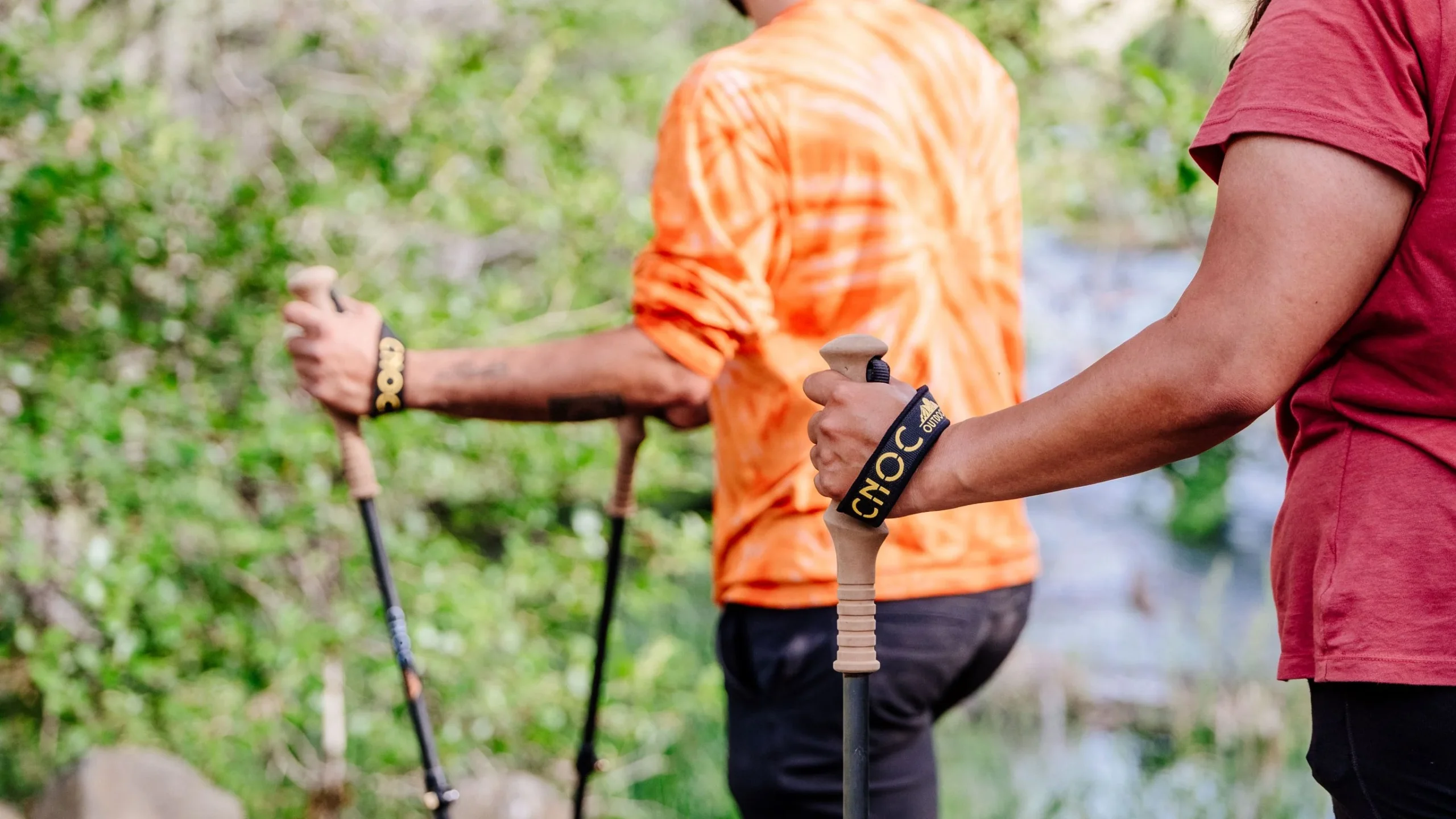
- Grip and Strap Position: Start by gripping the handles of the poles loosely, allowing your fingers to wrap comfortably around them. Secure the straps around your wrists, ensuring they’re snug but not too tight. The straps should support your wrists and allow for a natural arm swing.
- Planting the Poles: As you walk, plant the poles firmly on the ground in front of you, slightly angled backward. Use your wrist and arm muscles to push the poles behind you, propelling yourself forward with each step. Focus on engaging your core muscles and maintaining an upright posture throughout your stride.
- Arm Swing: Coordinate your arm movements with your stride, swinging your arms diagonally across your body. As your left foot steps forward, your right arm should swing forward, and vice versa. Keep your elbows slightly bent and your hands relaxed, allowing for a fluid and natural motion.
- Stride Length and Pace: Aim for a comfortable stride length that allows you to maintain a steady rhythm without overexerting yourself. Focus on taking purposeful steps and rolling smoothly from heel to toe with each footfall. Gradually increase your pace as you become more comfortable with the technique.
- Breathing: Pay attention to your breathing patterns and strive for deep, rhythmic breaths as you walk. Inhale deeply through your nose and exhale fully through your mouth, syncing your breath with your stride to optimize oxygen flow and energy efficiency.
Safety Tips
- Start Slow: If you’re new to Nordic walking, start with short walks on flat terrain to build your confidence and technique gradually.
- Stay Hydrated: Bring plenty of water with you, especially on hot days, to stay hydrated and energized throughout your walk.
- Wear Proper Footwear: Choose supportive and cushioned walking shoes that provide stability and comfort for long-distance walks.
- Be Mindful of Your Surroundings: Pay attention to your surroundings and be courteous to other trail users, especially on shared paths.
Conclusion: Embrace the Nordic Walking Lifestyle
Nordic walking offers a fun and effective way to stay active, improve your fitness, and enjoy the great outdoors. By mastering the proper technique and incorporating Nordic walking into your regular exercise routine, you can reap the numerous health benefits and explore new destinations with confidence and ease. So grab your poles, lace up your shoes, and embark on a Nordic walking adventure to discover the beauty of nature and the joy of movement!
