
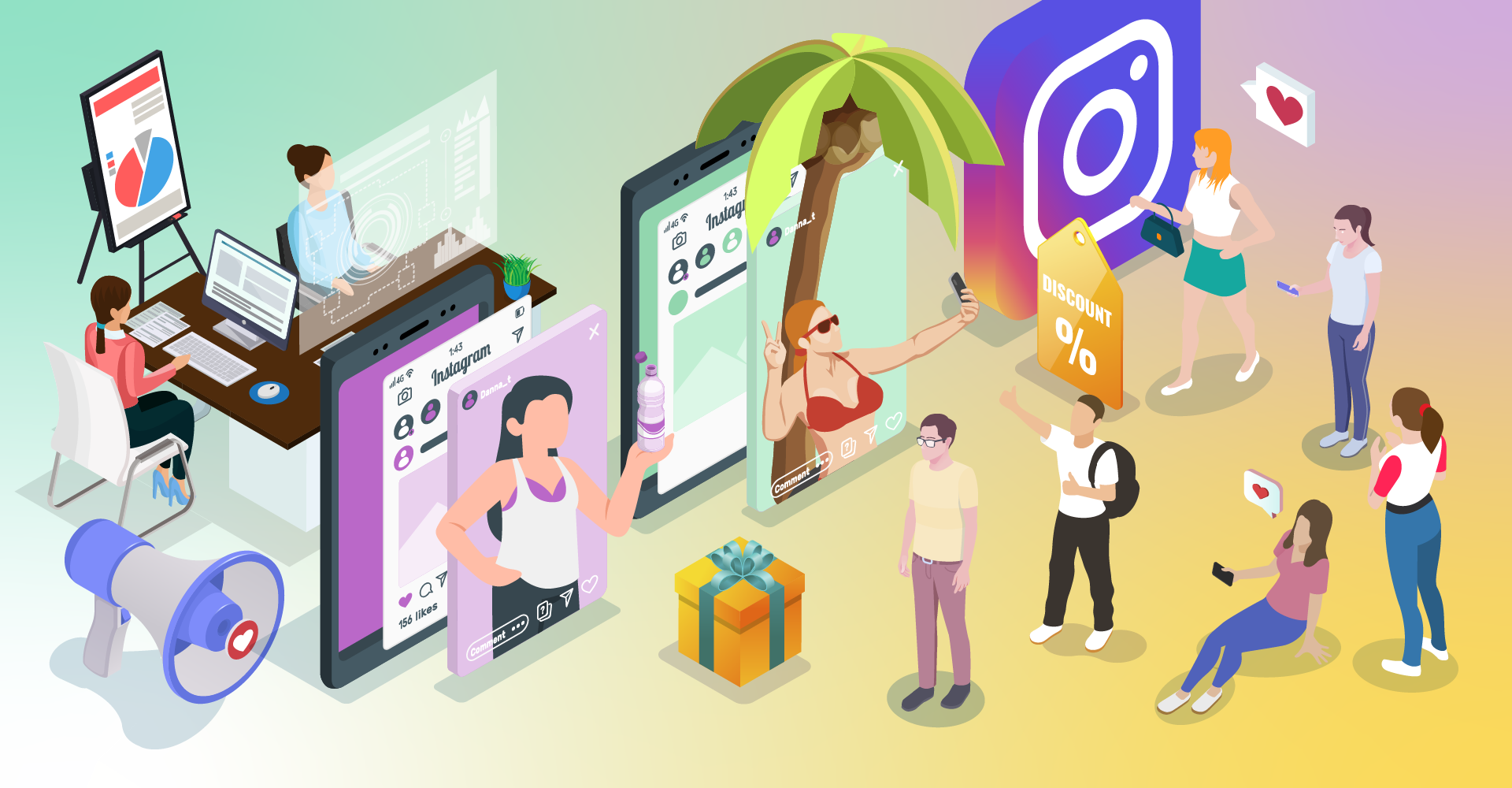
By partnering with individuals who have a significant following on social media, companies can leverage the influencers’ credibility and reach to promote their products and services. This article explores the fundamentals of influencer marketing, its benefits, strategies, and future trends.
What is Influencer Marketing?
Influencer marketing involves collaborating with social media influencers—individuals with a large and engaged follower base—to endorse or promote a brand’s products or services. Influencers can range from celebrities and industry experts to micro-influencers with niche followings. The goal is to tap into the influencer’s trusted relationship with their audience to drive brand awareness, increase sales, and enhance credibility.
Benefits of Influencer Marketing
Enhanced Credibility and Trust
One of the main advantages of influencer marketing is the credibility and trust that influencers have built with their followers. When an influencer endorses a product, it comes with a level of authenticity that traditional advertising often lacks. Followers are more likely to trust the recommendations of someone they admire and follow.
Targeted Reach
Influencers often have specific niches, allowing brands to reach targeted audiences more effectively. Whether it’s fashion, fitness, technology, or beauty, partnering with influencers in relevant niches ensures that the brand’s message reaches the right people, increasing the chances of engagement and conversion.
Increased Engagement
Content created by influencers typically garners higher engagement rates than brand-generated content. Influencers know how to connect with their audience through relatable and authentic content, leading to more likes, comments, shares, and ultimately, a more engaged audience.
Strategies for Effective Influencer Marketing
Choosing the Right Influencers
Selecting the right influencers is crucial for a successful campaign. Brands should look for influencers whose values align with their own, who have a genuine connection with their audience, and whose followers match the brand’s target demographic. Tools and platforms that analyze influencer metrics can help in making informed decisions.
Creating Authentic Content
Authenticity is key in influencer marketing. Influencers should have creative freedom to produce content that resonates with their audience while aligning with the brand’s message. Authentic content is more likely to be well-received and generate higher engagement.
Long-term Partnerships
Building long-term relationships with influencers can be more beneficial than one-off campaigns. Long-term partnerships help reinforce the brand message over time and can lead to more meaningful connections with the audience.
Future Trends in Influencer Marketing
Rise of Micro-Influencers
Micro-influencers, those with smaller but highly engaged followings, are becoming increasingly popular. Their close-knit communities tend to trust their recommendations more, leading to higher engagement rates. Brands are recognizing the value of partnering with multiple micro-influencers to reach diverse audience segments.
Video Content and Live Streaming
Video content, especially live streaming, is gaining traction in influencer marketing. Platforms like YouTube, Instagram Live, and TikTok are perfect for influencers to showcase products in real-time, creating an interactive and engaging experience for their followers.
Data-Driven Campaigns
As influencer marketing matures, data and analytics are playing a bigger role. Brands are using data to track campaign performance, measure ROI, and refine their strategies. Data-driven insights help in understanding what works and what doesn’t, leading to more effective campaigns.
Conclusion
Influencer marketing is a dynamic and effective strategy for brands looking to build trust, reach targeted audiences, and drive engagement. By partnering with the right influencers, creating authentic content, and leveraging future trends like micro-influencers and video content, brands can maximize their marketing efforts. As the landscape continues to evolve, data-driven approaches will be essential in crafting successful influencer marketing campaigns.
