
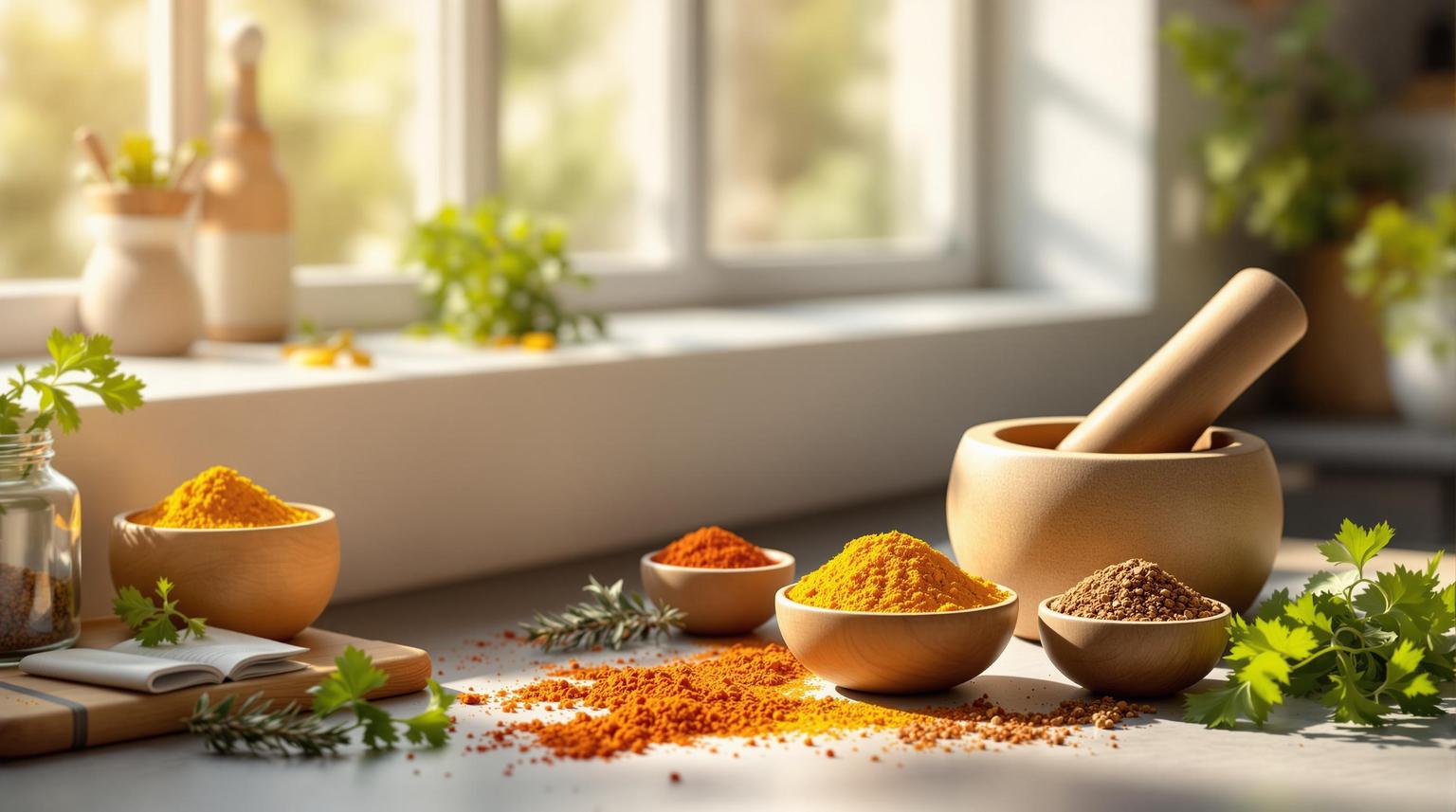
Want to take your cooking to the next level? Start making your own spice blends. It’s fresher, cheaper, and gives you total control over the flavors you love while avoiding preservatives and additives. Here’s why and how to do it:
- Why make your own spice blends?
- Fresher flavors: Whole spices stay potent for years, but pre-ground ones fade fast.
- Healthier: Skip excess salt, sugar, and preservatives.
- Customizable: Adjust heat, sweetness, or boldness to your taste.
- Cost-effective: Buy in bulk and save money.
- How to get started:
- Understand classic mixes: Learn the basics of blends like garam masala, za’atar, or Chinese five-spice.
- Source quality spices: Look for fresh, whole spices from trusted markets or online.
- Toast and grind: Toasting spices unlocks their flavor, and grinding fresh maximizes potency.
- Store properly: Use airtight jars, keep them cool and dark, and label with dates.
Making spice blends at home isn’t just about flavor – it’s about creating something uniquely yours. Whether you’re reimagining classics or crafting bold fusions, homemade blends can transform everyday meals into something special.
How to Make Homemade Spice Blends: 5 Recipes!
Basic Components of Spice Blends
Creating your own spice blends starts with understanding how different spices work together. Each spice brings its own unique characteristics, which combine to form a balanced and flavorful mix.
Types of Spices and Their Roles
Spices do more than just add flavor to food – they contribute aroma, color, and texture while interacting with our senses in complex ways. Beyond the basic tastes of bitter, salty, sour, sweet, and umami, spices can introduce cooling, earthy, floral, or nutty undertones.
This complexity largely comes from two types of compounds. Volatile oils, found in spices like cinnamon or crushed cardamom, are responsible for their aromatic qualities, which intensify when heated. On the other hand, non-volatile compounds like alkaloids and glucosinolates add pungency and slight bitterness, as seen in black pepper or turmeric.
"Spices contribute to a dish’s flavor and aroma by adding unique tastes, enhancing existing flavors, and providing a pleasant scent. They can be sweet, savory, spicy, or bitter, and their distinct profiles combine to create a complex taste. Additionally, spices can evoke specific cultural or regional culinary identities in a dish." – Ranjith Writer
When crafting your own blends, start with a foundation of primary spices that define the mix’s character. Then, layer in accent flavors to add depth. For instance, a warming blend might feature cinnamon as the sweet base, balanced with earthy cumin. Begin with equal portions of the core spices and adjust gradually, adding stronger spices sparingly to keep the flavors harmonious.
Once you’ve nailed the basics of blending, the next step is sourcing high-quality spices.
Finding and Buying Good Spices
The quality of your spices is key to achieving a flavorful blend. Fresh spices are usually darker in color, have a richer texture, and emit a stronger aroma. When shopping, opt for clear containers so you can visually inspect the spices, looking for vibrant and consistent colors.
For maximum flavor, buy whole spices and grind them just before use. Pre-ground spices tend to lose their potency quickly. If you do choose pre-ground spices, purchase them in small quantities to ensure they stay fresh.
Pay attention to labels that indicate the spice’s origin, as regional differences can significantly affect flavor. For example, Mexican oregano has a distinct profile compared to Turkish oregano, and Mexican cinnamon (Ceylon cinnamon) is milder and more nuanced than the cassia cinnamon commonly sold in U.S. stores. Be cautious of unusually low prices, which can signal lower quality. To find fresher and more diverse options, explore ethnic markets, local spice shops, or reputable online retailers.
Since spices lose their potency over time, buy in small amounts, label containers with the purchase date, and aim to use them within a year for the best flavor. Store your spices in a cool, dry, and dark place to preserve their color, aroma, and taste. For an extra flavor boost, lightly toast whole spices before grinding to release their essential oils.
With fresh, high-quality spices in hand, the next step is learning how to prepare and combine them effectively.
Updating Classic Spice Blends
Classic spice blends have long been kitchen staples, but there’s plenty of room to make them your own. Whether you’re dealing with hard-to-find ingredients or want to introduce global influences, tweaking traditional recipes can open up a world of flavor possibilities. Here’s how you can substitute smartly and add bold new twists.
Replacing Hard-to-Find Spices
Some traditional spice blends include ingredients that may not be readily available at your local grocery store. Instead of stressing about exact matches, focus on replicating the overall flavor profile. Start by using about one-third of the recommended amount of a substitute spice, then adjust gradually until the taste feels right. If you’re swapping dried herbs for fresh ones, remember to triple the quantity of fresh herbs to achieve a similar intensity.
You can also use this as an opportunity to add a modern spin by incorporating flavors from different cuisines.
Adding International Flavors
Fusion blends are becoming a major trend in modern cooking, combining spices from various culinary traditions to create something entirely new. For example, mixing Indian curry spices with smoky Mexican chilies can give your taco seasoning a fresh, unexpected kick. Classic blends like za’atar, berbere, and garam masala are excellent starting points for experimentation. When introducing new spices, begin with small amounts and tweak as you go to ensure the flavors work together harmoniously.
Adjusting Blends for Sweet or Savory Foods
Fine-tuning spice blends to suit sweet or savory dishes can make a big difference. For savory-forward mixes, lean heavily on spices like cumin, coriander, or paprika, and balance them with a hint of sweetness – think a four-to-one ratio of dominant to secondary flavors. On the flip side, dessert blends should highlight sweet spices like cinnamon or allspice, with subtle accents like citrus zest or even a pinch of salt to keep things interesting.
For savory dishes, naturally sweet spices such as fennel seeds, star anise, or sweet paprika can add depth. Meanwhile, pungent aromatics like black pepper or mustard seed can enhance both sweet and savory blends when used sparingly. In desserts, spices like cardamom or nutmeg can bring a sophisticated edge without overwhelming the sweetness. These small adjustments let you transform time-honored spice blends into something fresh and tailored to your tastes.
sbb-itb-593149b
Methods for Making and Using Spice Blends
Creating spice blends at home is all about unlocking bold flavors through simple but effective techniques. By focusing on toasting and grinding, you can take ordinary spices and turn them into something extraordinary. These methods are the foundation for rich, aromatic blends that elevate your cooking.
Toasting and Grinding Spices
Toasting spices is a must if you want to amplify their flavor and aroma. This step releases the essential oils locked inside whole spices, making them far more potent than their pre-ground counterparts.
Dry toasting on a skillet is one of the easiest ways to do this. Simply heat a dry pan over medium heat, add your whole spices in a single layer, and stir them frequently for 1–3 minutes. You’ll know they’re ready when they become fragrant and slightly darker in color. If you’re working with a larger batch, oven toasting is a great alternative. Preheat your oven to 325°F (165°C), spread the spices evenly on a baking sheet, and toast for 3–8 minutes, stirring halfway through. For a quicker option, try microwave toasting. Use medium power and heat the spices in 15–20 second intervals, stirring between each burst. Just remember, constant attention is key – spices can go from perfectly toasted to burnt in seconds.
"At Raw Spice Bar, we always recommend toasting spices before grinding for maximum flavor impact." – Raw Spice Bar
Once toasted, grinding the spices while they’re still warm captures their peak flavor. A dedicated spice grinder or an electric coffee grinder (used only for spices) works well for this. To keep your grinder clean between uses, grind a piece of bread to absorb any lingering oils and aromas. If you prefer a hands-on approach or want more control over the texture, a mortar and pestle is an excellent choice.
Store your freshly ground spices in airtight containers and keep them in a cool, dark place to preserve their potency.
Uses Beyond Regular Cooking
Homemade spice blends aren’t just for seasoning your favorite dishes – they’re surprisingly versatile and can be used in all sorts of creative ways. For example, spiced sugar blends are perfect for sprinkling over baked goods, fresh fruit, or even stirring into coffee and tea for a flavorful twist.
Cocktail enthusiasts can experiment with spice-infused spirits to create unique drink profiles, while smoothie lovers can add spices like cinnamon, turmeric, or mint to their blends for an extra kick of flavor and nutrition.
Spices also shine in desserts. A cinnamon-heavy blend can transform homemade cinnamon rolls, while a vanilla-forward mix adds a subtle sweetness to frostings and glazes.
"Dry toasting intensifies the flavors and aromas of whole spices, with the flavor getting progressively more nutty and earthy as you go." – Christopher Kimball’s Milk Street
The beauty of making your own spice blends is their flexibility. Once you’ve mastered the basics of toasting and grinding, you can experiment endlessly, tailoring blends to suit your personal taste and culinary adventures.
Storing Your Homemade Spice Blends
Toasting and grinding spices bring out their best flavors, but good storage is what keeps that freshness intact. How you store your homemade spice blends can make all the difference between bold, aromatic seasonings and lifeless powders.
How to Store Spice Blends Properly
The first step to proper storage is choosing the right containers. Glass jars are the top choice because they’re non-porous and durable, which helps preserve the quality of your spices. Mason jars are especially handy – they’re affordable, easy to stack, and simple to refill.
"When storing spices, it’s absolutely essential to put them in containers that seal tightly."
- Krissy Scommegna, Owner and Founder, Boonville Barn Collective
If you prefer plastic, make sure it’s BPA-free and made from high-quality materials. While plastic containers are lightweight and less fragile, some types can interact with strong spices over time, potentially altering their flavor.
For extra protection, consider amber or dark-colored jars. These block out sunlight, which can degrade the essential oils that give spices their distinctive aromas. Light exposure is one of the quickest ways to dull your spices, so keeping them shielded is key.
Where you store your spices is just as important as the container. Always keep them in a cool, dark, and dry spot, far from heat sources like stoves or sunny windowsills. Heat and moisture can rapidly diminish the quality of your blends.
Lastly, don’t skip labeling. Use sturdy labels to mark the name of the spice blend and the date it was made. This helps you keep track of freshness and ensures you’re using your spices at their best.
Making Small Batches
One of the best ways to maintain the flavor of your spice blends is to make smaller batches. Ground spices are at their freshest within the first three months, while whole spices hold their peak quality for about ten months. By creating smaller quantities, you’ll always have blends that pack the most punch.
If you buy spices in bulk, transfer them to a larger jar for storage, but keep smaller portions in smaller containers to reduce the amount of air exposure. This simple step slows down oxidation, which happens faster with ground spices due to their larger surface area.
Knowing the shelf life of your spices can also help you plan your batches. Spice blends generally stay flavorful for up to two years, while whole spices can last three to four years. Dried herbs and ground spices are best used within one to three years. The exception? Salt – it never loses its flavor.
To keep your spice blends at their best, store them in clean, airtight containers and give them a sniff test every now and then. If the aroma is faint, it’s time to whip up a fresh batch. While spices don’t spoil in a way that makes them unsafe to eat, their flavor does fade over time. Keeping your blends fresh ensures every dish you make is bursting with flavor.
Conclusion: Start Making Your Own Spice Blends
Making your own spice blends at home is easier than you might think – and it gives you complete control over freshness, flavor, and quality. You can skip unnecessary additives like MSG or too much salt and customize every mix to suit your taste.
The secret to success? Start small and keep it precise. When working with small batches, rely on measuring spoons instead of cups for better accuracy. A helpful guideline is the 2:1:1/4 ratio – two parts base, one part accent, and a quarter part of stronger flavors. As Raw Spice Bar puts it, "Start with small batches to test your creations before committing to larger amounts". This step-by-step approach is key to creating blends that feel uniquely yours.
"Customized spice blends open up a world of culinary adventure, turning ordinary meals into memorable experiences." – Joseph Rosenblatt
Another tip: know the difference between herbs and spices for better flavor extraction. Grinding whole seeds with a dedicated coffee grinder ensures maximum potency. Keep track of your recipes and tweak just one ingredient at a time to refine your blends.
To maintain freshness, store your blends in airtight containers. If a mix starts to lose its punch after a year, you can revive it by lightly toasting it in a dry frying pan over low heat. Paying attention to these small details will elevate your spice blends and make them an indispensable part of your cooking routine.
FAQs
How can I find the best spices for making homemade blends?
To create the best homemade spice blends, start by sourcing your ingredients from reliable spice merchants or specialty stores that focus on freshness and quality. Whenever you can, choose whole spices and grind them yourself at home – this helps lock in their flavor and aroma. Pay attention to how spices are stored; airtight containers are ideal. And don’t forget to check for a harvest or packaging date to make sure you’re getting the freshest batch.
Another great place to shop is ethnic markets. They often offer a wide selection of high-quality spices at reasonable prices, with unique flavors you might not find elsewhere. To keep your blends tasting their best, aim to use your spices within 12 months of buying them. Freshness is key!
How can I customize spice blends to work for both sweet and savory recipes?
To create spice blends that work seamlessly in both sweet and savory dishes, focus on spices that naturally bridge the gap between these flavor profiles. Spices like cinnamon, nutmeg, and allspice bring warmth and a touch of sweetness to desserts while also adding depth and richness to savory recipes. Meanwhile, spices like cumin and coriander provide a savory foundation but can shine with a hint of sweetness from ingredients like honey or maple syrup.
A great starting point is using a simple ratio: 3 parts of a primary spice (such as cumin for a savory base), 2 parts of a complementary spice (like cinnamon to add a sweet note), and 1 part of an accent spice (such as chili for a bit of heat). This method creates a balanced blend that works across a variety of dishes, from spiced cookies to hearty stews. Don’t be afraid to tweak the ratios to suit your personal taste – experimentation is key!
What’s the best way to store homemade spice blends to keep them fresh and flavorful?
To keep your homemade spice blends at their best, store them in airtight containers. This prevents air exposure, which can dull their flavor and aroma. Make sure to place these containers in a cool, dark spot, away from heat, light, and moisture – factors that can quickly degrade the quality of your spices.
For easy tracking, label each container with the date you prepared the blend. As a general rule, whole spices retain their freshness for up to 3 years, while ground spices are best enjoyed within 1 to 2 years. To check if they’re still good, give them a sniff or taste – if the aroma or flavor seems faint, it’s time to refresh your stock.
