
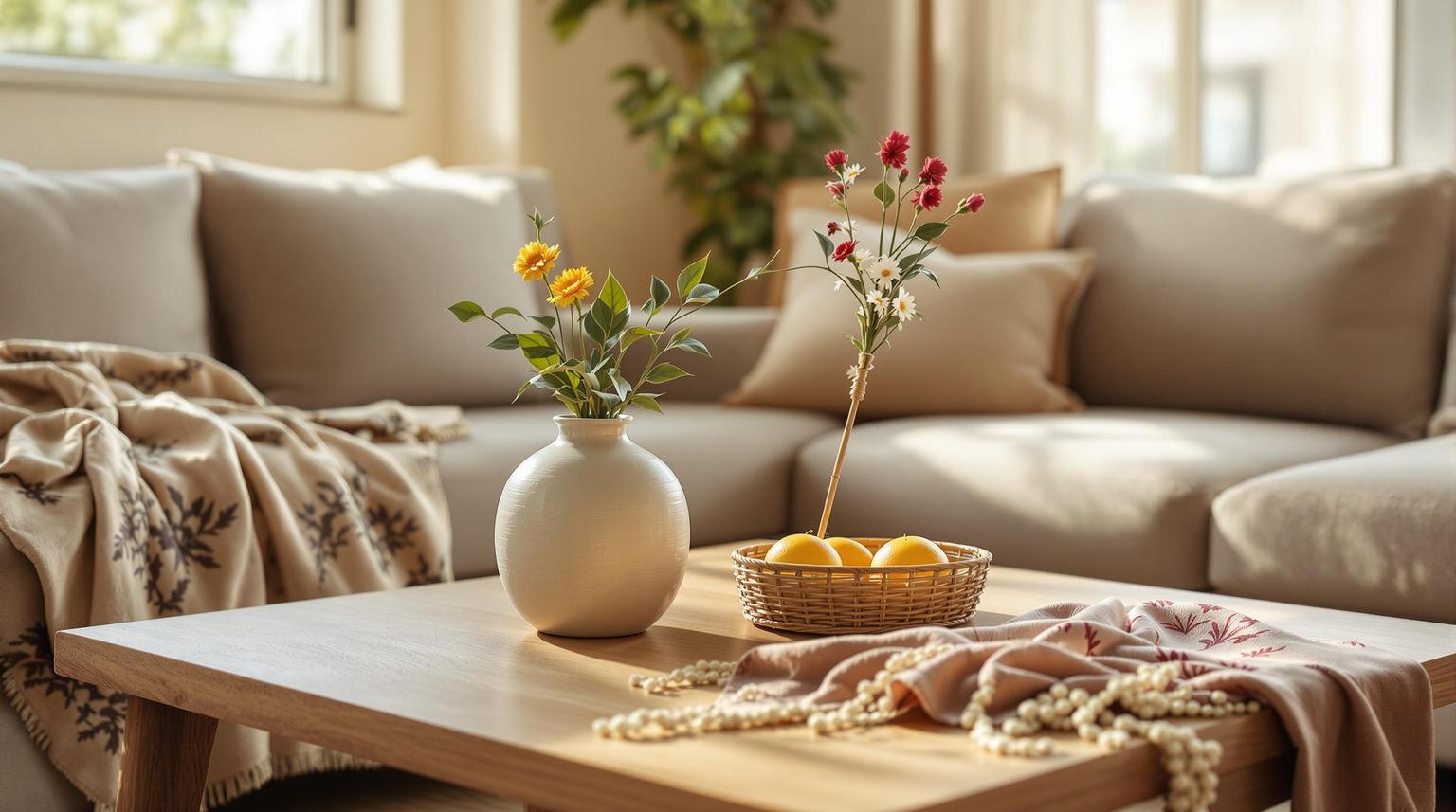
Revived crafts like handmade pottery, woven baskets, and embroidered textiles are becoming part of everyday life, blending tradition with modern functionality. They offer more than aesthetic appeal – they bring personal meaning, sustainability, and support for local artisans. Here’s how they fit into your routine:
- Handmade Pottery: Durable, unique, and perfect for daily use or decor. Look for food-safe, dishwasher-friendly options and care for them to last.
- Woven Baskets: Stylish storage solutions that add texture to your home. Use them in kitchens, bedrooms, or living spaces for organization and charm.
- Embroidered Textiles: Add personality to linens, seasonal decor, or heirloom pieces. Proper care ensures they remain vibrant and intact.
These crafts not only elevate daily moments but also reduce environmental impact and connect you to artisans’ stories. Start small – replace a plastic item with a handcrafted one – and enjoy the warmth and character they bring to your space.
Handmade Happiness: DIY Gift Making Ideas for Every Occasion | Craft Factory

Using Handmade Pottery Every Day
Incorporating handmade pottery into your daily life is a wonderful way to add charm and personality to your routine. Whether you’re sipping your morning coffee from a hand-thrown mug or setting the table with unique, handcrafted plates, these pieces bring a sense of warmth and individuality to everyday moments. The trick is to find pottery that fits your lifestyle while reflecting your personal style.
Picking the Right Pottery for Daily Use
When choosing pottery, focus on pieces that align with your aesthetic and feel good in your hands. It’s not just about looks – how a piece feels when you hold it matters too. Pay attention to the type of clay and construction. For instance, stoneware is a great option for durability, making it ideal for daily use, whereas earthenware might need a bit more care due to its porous nature.
Ask about the pottery’s details, such as whether the glazes are food-safe and the temperatures it can handle. Look for a maker’s mark to ensure the piece is genuinely handmade. Mixing and matching textures, colors, and styles can create a visually interesting collection, so don’t feel pressured to stick to matching sets.
If you’re working with a budget, start small. Items like spoon rests, ring holders, or tiny vases can be affordable entry points into the world of handmade pottery. Supporting local artisans by shopping at markets, craft fairs, or online stores not only gives you access to unique pieces but also connects you to the story behind each creation. As Harry Levenstein Pottery puts it:
"Choose pots whose stories connect to yours and heighten your quality of day with each use."
Ultimately, trust your instincts. Build a collection that feels like an extension of yourself and brings joy to your everyday rituals.
Taking Care of Handmade Pottery
To keep your handmade pottery looking beautiful and functional for years, proper care is essential. Different types of clay – like stoneware, earthenware, or porcelain – require slightly different approaches.
Handwashing is often the safest choice. Use mild soap and a soft sponge, steering clear of harsh detergents or abrasive scrubbers. For those who prefer dishwashers, stoneware and porcelain that have been fired to maturity can usually handle it. Just secure the items to prevent damage and opt for gentle detergents and low heat settings. Grace Edwards from GG Clayworks offers this advice:
"As a general rule, if you love something, and would be disappointed if it became broken in the dishwasher, don’t put it in the dishwasher."
Protect your pottery from sudden temperature changes to avoid cracking. Let items reach room temperature before placing them in a hot oven, and be cautious with microwaving – avoid pieces with metallic effects and watch out for black or red clay.
For stains, a soak in warm soapy water usually does the trick. For tougher marks, white vinegar can help. Storage also matters – don’t stack mugs directly on top of each other, use plate racks for dishes, and wrap pieces carefully when packing them away. As ceramics expert Kness notes:
"Ceramics are very sturdy and can withstand almost anything, temperature is fine as long as the rise and fall of temperatures is slow."
Taking these steps will help preserve both the functionality and the aesthetic appeal of your pottery.
Using Pottery as Home Decor
Handmade pottery isn’t just practical – it’s also a stunning way to enhance your home. These pieces bring color, texture, and a personal touch to any space, making them a versatile addition to your decor.
Color plays a big role in how pottery impacts a room. As Stacey Bowers from Bang-Up Betty explains:
"Pottery is one of the most versatile and accessible ways to incorporate handcrafted artwork into your space, because a lot of the time you can find smaller works at a smaller price point."
Bright, vibrant pieces can create eye-catching displays or highlight accent colors in your room. Grouping pottery by similar styles or colors can create a cohesive look, while arranging pieces with varying textures and shapes – often in odd-numbered groups like three, five, or seven – adds depth and interest.
Don’t forget the backdrop. A fresh coat of paint or bold wallpaper can make your pottery stand out even more. Handmade lidded jars can serve as striking statement pieces, while bud vases add height and elegance when paired with larger vases or coffee table books. Even everyday items, like soap dispensers, can be swapped for handmade ceramic versions to bring a touch of artistry into functional spaces.
For a bold statement, think about combining colors, textures, and sizes. For example, pair a stoneware vase with a trailing plant and a brass floor lamp for a mid-century modern vibe. Or, hang Raku ceramic plates on the wall to introduce texture and a sense of character.
Choose pottery that resonates with your story and creates the atmosphere you want in your home. As Brielle Rovito from Dust + Form wisely says:
"I believe our living space can greatly impact our overall life."
Whether you’re using pottery for practical purposes or purely as decor, each piece should help make your space feel more intentional and meaningful, adding a sense of heritage and quality to your lifestyle.
Using Woven Baskets for Storage and Organization
Woven baskets offer a stylish way to keep your home organized while adding a natural, textured look to your space. Unlike plastic storage containers, these handwoven pieces bring character and charm, making them both functional and decorative. They work particularly well in modern homes with open shelving or minimalist designs, where storage solutions also contribute to the overall aesthetic.
One of the best things about woven baskets is their versatility. They can easily shift between being practical storage tools and decorative accents. As Yvonne, an Empty Nester and Home Decor Expert, puts it:
"I always say that storing or stowing things in a basket is the best way to hide them in plain sight. A lidded or open basket offers so many smart storage options. Not only do baskets store household things they also organize them!"
Let’s explore some practical uses, design tips, and care advice to help you incorporate woven baskets into your home.
Practical Ways to Use Woven Baskets
Woven baskets come in various sizes and styles, making them suitable for almost every room in your home.
- Kitchen: Medium-sized baskets are perfect for organizing pantry items like snack bags. A Fresh Space showcases how they can make pantries neat and accessible.
- Entryways: Becca Interiors suggests using two baskets – a shallow floor basket for shoes and a taller one for umbrellas – to keep the area tidy and functional.
- Bedrooms: Margaret Wright Interior + Lifestyle Photography highlights how colorful baskets can double as hampers and storage, while smaller baskets on closet shelves help organize socks, belts, and accessories.
- Living Areas: Use large floor baskets for throw blankets and pillows, and shallow baskets on coffee tables for remotes, coasters, or magazines. A designated basket for toys can also make cleanup a breeze.
- Laundry Room: Keep laundry sorted and organized using baskets, streamlining the process and reducing clutter.
Matching Baskets with Modern Home Design
Pairing woven baskets with your home’s design style enhances their functionality and aesthetic appeal. These baskets combine practicality with an artisanal touch.
- Modern Chic: Look for monochromatic baskets in black, white, or gray with clean, geometric shapes that complement contemporary furniture.
- Scandinavian Simplicity: Choose baskets with tight, uniform weaves in neutral tones like white, gray, or natural rattan to create a minimalist, polished look.
- Farmhouse Style: Opt for earthy tones such as beige, tan, or light brown. Details like distressed finishes or aged rope and leather handles add warmth and charm.
- Bohemian Vibes: Go for natural wicker with intricate patterns, colorful accents, tassels, or fringe to capture a relaxed, eclectic feel.
Marie Flanigan, a designer from a luxury firm, emphasizes the importance of quality:
"Whether your vibe is boho, traditional, or minimalist, there’s a way to incorporate a little natural texture in your life"
She also advises:
"Make sure it’s crafted of high-quality materials that can stand up to daily wear and tear"
For a curated look, group baskets in sets of two or three, stack different sizes, or pair them with complementary materials like wood or metal.
Keeping Woven Baskets in Good Condition
To keep your woven baskets looking great and functioning well, regular care is essential.
- Dusting: Monthly dusting prevents buildup. Vera Peterson, President of Molly Maid, notes:
"Wicker baskets tend to collect dust due to their woven texture and the small spaces between the fibers. Regular dusting and cleaning can help prevent buildup"
Use a soft brush, feather duster, or vacuum with a brush attachment to remove dust from crevices. - Cleaning: For a deeper clean, wipe baskets with a damp cloth and mild soap, avoiding oversaturation to prevent mold or mildew. Ensure they air-dry in a ventilated area, away from direct sunlight.
- Quarterly Maintenance: Jennifer Parnell, Co-founder of Humble Suds, suggests:
"Add cleaning wicker baskets to your quarterly cleaning routine. Dust can collect on them very easily and it’s easier to clean the baskets if they are cleaned more than once a year"
For mildew, use a mix of 1 part white vinegar to 4 parts water. - Storage: When not in use, store baskets in a cool, dry place – preferably in breathable dust bags – to avoid damage. Keep them away from direct sunlight and heat to prevent fading or weakening of fibers.
- Handling: Lift baskets from the base rather than the handles, avoid overloading, and rotate baskets used for heavy items. If you spot loose ends, re-tuck or reweave them to prevent further unraveling. Occasionally, apply protective oils or sprays designed for wicker to maintain flexibility and prevent cracking.
For baskets used with food, lining them with plastic or cloth helps guard against spills and stains. By following these tips, your woven baskets will stay beautiful and functional for years to come.
sbb-itb-593149b
Adding Embroidered Textiles to Your Home
Embroidered textiles combine the artistry of traditional craftsmanship with modern aesthetics, making them a thoughtful addition to contemporary interiors. Unlike mass-produced decor, these handmade pieces bring texture, color, and personality into your space while connecting you to time-honored traditions. Whether you’re looking to create standout focal points in neutral rooms or coordinate with existing color schemes, embroidery offers endless opportunities to personalize your home. Much like pottery or woven baskets, these textiles add a warm, personal touch that enriches everyday life.
What makes embroidered decor so appealing is its versatility and timeless charm. As Рома Матвіїшин from AwesomePatternStudio.com explains:
"Embroidered items hold a unique charm and value, whether they are heirloom pieces passed down through generations or newly crafted works of art. Proper care and preservation are crucial to maintain their beauty and integrity over time."
Adding Embroidery to Everyday Linens
Elevate your everyday linens by incorporating embroidery into items you use regularly. Think pillowcases, kitchen towels, napkins, and tablecloths – simple updates that offer both visual appeal and practical enjoyment.
- Pillowcases: Add family monograms or delicate floral borders to complement your bedroom’s colors while introducing texture.
- Kitchen Towels: Embellish with seasonal designs or herb-inspired patterns for a charming touch to your cooking space.
- Table Linens: Embroidered tablecloths or napkins can instantly bring sophistication to your dining area, whether for daily use or special occasions.
For a meaningful twist, use stitch patterns that reflect your heritage or family traditions. This way, even a casual meal can become a nod to your roots. If you’re feeling adventurous, experiment with techniques like couching to create raised, three-dimensional designs that catch the light beautifully.
Creating Seasonal Decor with Embroidery Projects
Seasonal embroidery is an easy way to refresh your home’s decor throughout the year. Much like handmade pottery or woven baskets, these pieces can bring a sense of rhythm and connection to your space. Plus, they’re a cost-effective way to update your home without major changes.
- Hoop Art: Switch out embroidered hoops for each season – think spring flowers, summer motifs, autumn leaves, and winter snowflakes. This rotation keeps your home feeling fresh and aligned with nature’s cycles .
- Holiday Accents: Embroidered table runners for Thanksgiving or festive wall hangings for Easter can add a personal, heartfelt touch that store-bought decorations just can’t replicate. Over time, these can even become cherished family keepsakes.
Taking Care of Embroidered Fabrics
To keep embroidered textiles looking their best, proper care is essential. Jake Solomon from Threadfellows emphasizes:
"These quick tips can take mere minutes and keep your custom embroidered items in pristine condition!"
Washing and Cleaning:
- Hand wash using lukewarm water and mild, pH-neutral detergent – avoid harsh chemicals or bleach.
- For spot cleaning, use a soft white cloth and a gentle detergent solution.
- If machine washing, turn items inside out, use cold water on a delicate cycle, and avoid washing with items that could snag the stitching.
- Never leave embroidered pieces soaking or wet in a pile.
Drying and Pressing:
- Lay items flat on clean towels to air dry, reshaping them while damp. Avoid hanging to prevent distortion.
- Keep them away from direct sunlight and heat to prevent fading.
- When ironing, use a pressing cloth and iron from the backside on low to medium heat. Avoid direct contact with embroidered areas .
Storage and Maintenance:
- Store flat whenever possible, using acid-free tissue paper between folds.
- For larger pieces, roll them around acid-free tubes covered with tissue paper.
- Opt for breathable storage solutions like cotton bags instead of plastic containers.
- Handle with clean hands, secure loose threads before washing, and inspect regularly for signs of wear .
- When displaying, minimize exposure to direct sunlight and consider using UV-protective glass in frames.
Choosing quality materials like linen or cotton ensures your embroidered pieces remain durable and beautiful with regular use. With the right care, these textiles will continue to bring charm and character to your home, much like well-maintained pottery or baskets.
Building a Modern Lifestyle with Old Craft Methods
Incorporating traditional crafts into a busy, tech-driven life offers a refreshing way to take mindful breaks and reconnect with heritage. These time-honored practices not only help counter digital fatigue but also keep cultural traditions alive in a modern context.
Small Crafting Sessions for Busy People
You don’t need to dedicate hours to enjoy the benefits of crafting – short, intentional sessions can make a big difference. Imagine starting your day with just a few minutes of hand-stitching while sipping your morning coffee. Simple, repetitive movements like these have been shown to boost serotonin and dopamine levels, promoting a sense of calm and focus.
Midday crafting can also work wonders. Spending 15 minutes on a pottery or weaving project during lunch provides a mental reset and a break from constant screen exposure. Even a small, dedicated crafting space in your home can help make these moments a regular part of your routine. These quick, mindful practices are a perfect way to blend traditional techniques with modern life.
Mixing Old Techniques with Modern Tools
Crafting today doesn’t mean choosing between old and new. The most exciting work happens when tradition meets technology, creating a harmonious blend of heritage and innovation.
Take Matt Holmes, a technician at Arts University Plymouth, as an example. In April 2025, he restored a 125-year-old printing press using both traditional methods and modern tools like 3D printing and CNC machining. As he puts it:
"Digital and analogue methods complement each other, bridging old and new."
This approach opens up endless possibilities. For instance, 3D printing allows for the creation of intricate molds that would be nearly impossible to craft by hand. These molds can then be used with traditional glazing and firing techniques, maintaining the authentic feel of handmade work.
Digital design tools also play a role. They enable precise planning of complex patterns, which can later be executed by hand. Similarly, modern synthetic fibers, when woven using traditional methods, result in pieces that are both durable and timeless in appearance.
In woodworking, CNC machines bring precision to cutting and shaping, while hand-finishing techniques like carving and sanding preserve the personal touch that defines handcrafted items. Beyond the tools themselves, digital platforms now connect crafters globally, making it easier than ever to share ideas and techniques.
Learning and Sharing Through Online Craft Groups
The internet has revolutionized how people learn and share traditional crafts. Digital communities offer access to tutorials, advice, and inspiration, making it easier to keep these practices alive. Platforms like TikTok highlight this trend, with craft-related hashtags drawing millions of views. Interestingly, about 75% of TikTok users are under 35, showing a growing interest among younger generations in rediscovering heritage crafts.
Facebook groups are another hub for craft enthusiasts. In Finland, where over half of adults are actively involved in crafting, nearly 90% of crafters participate in craft-focused Facebook groups. These groups provide more than just tips and tutorials – they foster a sense of community, offering encouragement and support for both beginners and experienced artisans.
Conclusion: Using Revived Crafts for a Better Daily Life
Incorporating handmade pottery, woven baskets, and embroidered textiles into your daily life adds a sense of connection and purpose to everyday routines. These crafts don’t just meet practical needs – they honor traditions and bring a personal touch that mass-produced goods simply can’t replicate. Each piece serves as a bridge between function and heritage, offering a tangible link to cultural roots.
The beauty of these crafts lies in their details. Imagine starting your day with coffee in a handcrafted mug or organizing your space with intricately woven baskets. These small changes can transform ordinary moments into meaningful rituals. Pottery artist Javier Hernan Rubinstein captures this sentiment perfectly:
"When you come into contact with clay a dialogue takes place…you tell the clay what you feel and what you think by squeezing, caressing and playing … The external vision is silenced, allowing a space of self-knowledge to open."
Beyond aesthetics, these crafts offer a welcome escape from the digital grind. Whether it’s taking a moment to embroider or simply using handmade items in your home, these practices create opportunities to slow down and reconnect. This balance of tradition and modernity fosters a lifestyle that is mindful yet contemporary.
Supporting local artisans takes this connection a step further. Each purchase not only celebrates time-honored skills but also strengthens community ties and supports local economies. As The Mindful Market puts it:
"Supporting local artisans is more than just a purchase; it’s an investment in the community, culture, and economy."
Handcrafted items also stand out for their durability and versatility. Pottery often lasts longer than factory-made alternatives, woven baskets provide functional and timeless storage, and embroidered textiles add a unique touch that reflects your personality. Every piece tells a story – one that becomes part of your own daily life narrative.
Start small. Introduce a single crafted item into your routine, like replacing a plastic cup with a handmade mug or using a woven basket for storage. These simple swaps enrich your life while celebrating the skilled hands and rich traditions behind each creation.
FAQs
What’s an easy way to start using revived crafts in my daily life without feeling overwhelmed?
Incorporating revived crafts into your everyday life doesn’t have to be complicated. Start with something simple that resonates with you – perhaps handmade pottery, woven baskets, or embroidered fabrics. Use these items in practical ways: enjoy your meals in a handmade ceramic bowl, or keep your essentials organized in a beautifully woven basket. These small changes can effortlessly weave these crafts into your daily routine.
If you’re drawn to creating crafts yourself, dedicate a little time each week to a project that excites you. It’s a great way to relax, spark your creativity, and add a personal touch to your surroundings – all without feeling overwhelmed. Over time, these small acts can infuse your life with more beauty and a sense of mindfulness.
What are the environmental advantages of using handmade pottery, woven baskets, and embroidered textiles in daily life?
Choosing handmade pottery, woven baskets, and embroidered textiles instead of mass-produced products comes with several perks for the planet. These crafts are often made from locally sourced, natural materials, cutting down on the carbon emissions tied to long-distance shipping and industrial manufacturing. Plus, the creation process usually involves little to no machinery, leading to lower energy use and less waste.
When you opt for handmade goods, you’re not just making an eco-friendly choice – you’re also helping to keep traditional crafting techniques and heritage alive. This kind of support strengthens local communities and economies. And let’s be honest, these one-of-a-kind items bring a special, personal touch to your home while doing good for the environment.
How can I care for handmade items like pottery and embroidered fabrics to keep them looking their best?
To keep your handmade pottery and embroidered fabrics looking their best, here are some simple care tips:
For pottery: Hand washing is your safest bet – use mild dish soap and a soft sponge to clean without scratching. If you prefer using a dishwasher, ensure the pottery is placed securely to prevent chipping. After washing, dry it thoroughly to avoid moisture-related damage.
For embroidered fabrics: Hand wash these delicate pieces in lukewarm water using a gentle, pH-neutral detergent. If you opt for a washing machine, turn the fabric inside out and choose a delicate cycle. Stay away from bleach or harsh chemicals. When it’s time to iron, flip the fabric to its reverse side and skip the steam setting to protect the embroidery work.
With these tips, you can keep your handmade pieces beautiful and well-preserved for years to come.
