
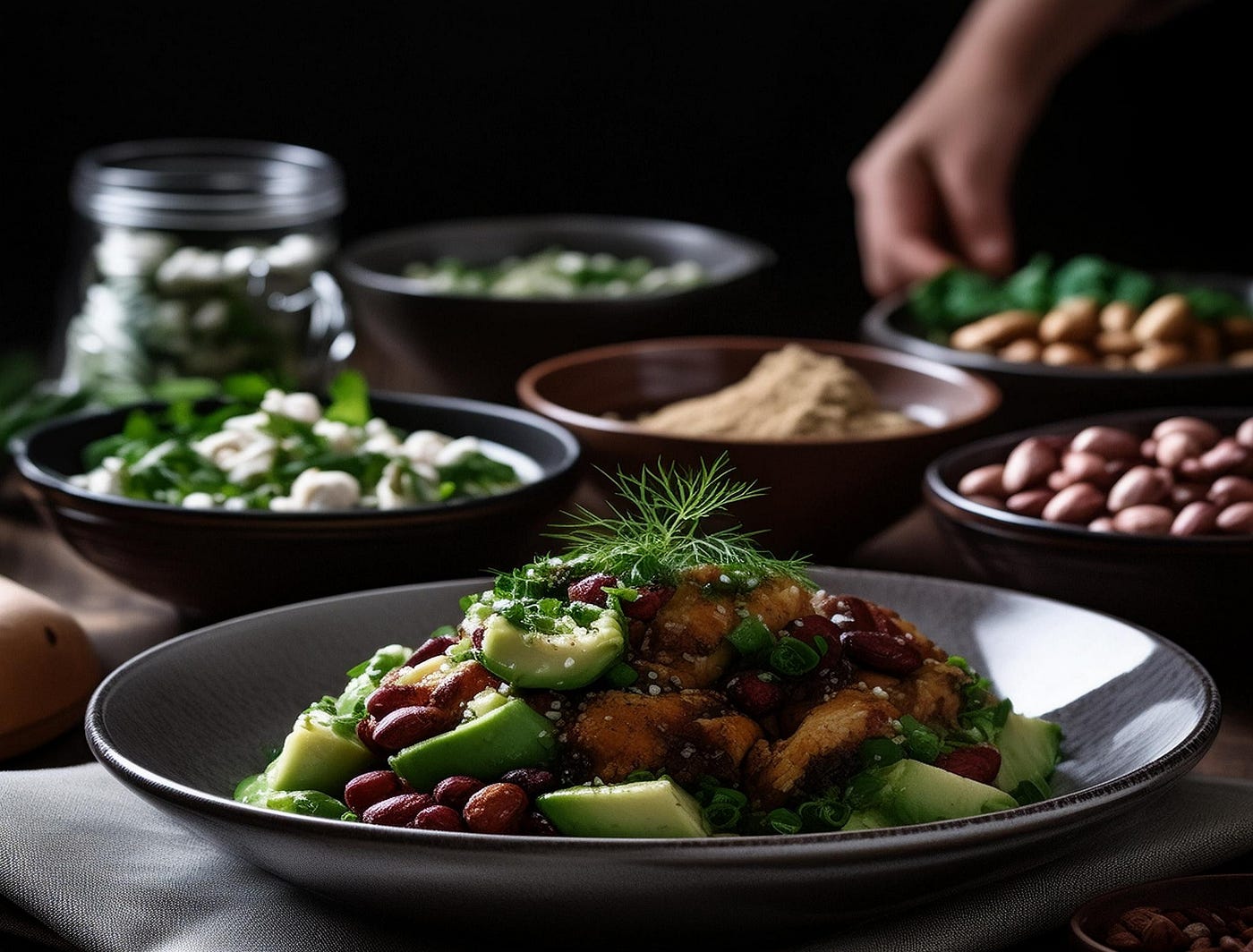
In recent years, the culinary world has witnessed a significant shift towards plant-based eating, and nowhere is this more evident than in the rise of trendy vegan food. Veganism, once relegated to the sidelines as a niche dietary choice, has now become a mainstream movement embraced by chefs, foodies, and health-conscious consumers alike. From innovative plant-based dishes to creative vegan substitutes, the world of vegan food is experiencing a renaissance like never before.
The Plant-Powered Revolution
Gone are the days when vegan food was synonymous with bland salads and tofu. Today, chefs around the globe are pushing the boundaries of plant-based cuisine, creating mouthwatering dishes that are as delicious as they are nutritious. From jackfruit tacos to cauliflower wings, there’s no shortage of inventive vegan recipes to tantalize the taste buds.
Health and Wellness
One of the driving forces behind the popularity of vegan food is its perceived health benefits. Research has shown that plant-based diets can lower the risk of chronic diseases such as heart disease, diabetes, and certain cancers. By focusing on whole, nutrient-rich foods like fruits, vegetables, grains, and legumes, vegans can enjoy a diet that is rich in vitamins, minerals, and antioxidants.
Environmental Sustainability
Another factor fueling the rise of vegan food is growing concern about the environmental impact of animal agriculture. Livestock farming is a major contributor to greenhouse gas emissions, deforestation, and water pollution. By choosing plant-based alternatives, consumers can reduce their carbon footprint and help mitigate the effects of climate change.
Ethical Considerations
For many people, veganism is not just a dietary choice but a moral imperative. The ethical treatment of animals is a core tenet of the vegan lifestyle, and by abstaining from animal products, vegans seek to minimize harm to sentient beings. As awareness grows about the conditions in factory farms and slaughterhouses, more people are choosing to align their food choices with their values.
The Role of Social Media
Social media has played a pivotal role in popularizing vegan food, with Instagram, TikTok, and YouTube awash with drool-worthy images and videos of plant-based meals. Influencers, celebrities, and food bloggers have helped to make veganism aspirational, showcasing the diversity and creativity of vegan cuisine to a global audience.
Tips for Embracing Vegan Food
For those looking to incorporate more vegan food into their diet, here are a few tips to get started:
- Start Slow: Transitioning to a vegan diet doesn’t have to happen overnight. Begin by incorporating more plant-based meals into your routine and gradually phase out animal products.
- Experiment in the Kitchen: Don’t be afraid to get creative with your cooking. Try out new recipes, explore different ingredients, and have fun experimenting with flavors and textures.
- Educate Yourself: Take the time to learn about vegan nutrition and ensure you’re getting all the essential nutrients your body needs. Consider consulting with a registered dietitian or nutritionist for personalized advice.
- Be Adventurous: Explore your local farmers’ markets, ethnic grocery stores, and vegan eateries to discover new and exciting ingredients and dishes.
- Connect with the Community: Joining vegan social groups, attending meetups, and participating in online forums can provide valuable support and camaraderie on your vegan journey.
In conclusion, the rise of trendy vegan food reflects a broader cultural shift towards sustainability, health, and compassion. With its tantalizing flavors, health benefits, and ethical considerations, vegan food is no longer just a passing fad but a culinary movement that is here to stay. Whether you’re a seasoned vegan or a curious omnivore, there’s never been a better time to explore the delicious world of plant-based cuisine.
