
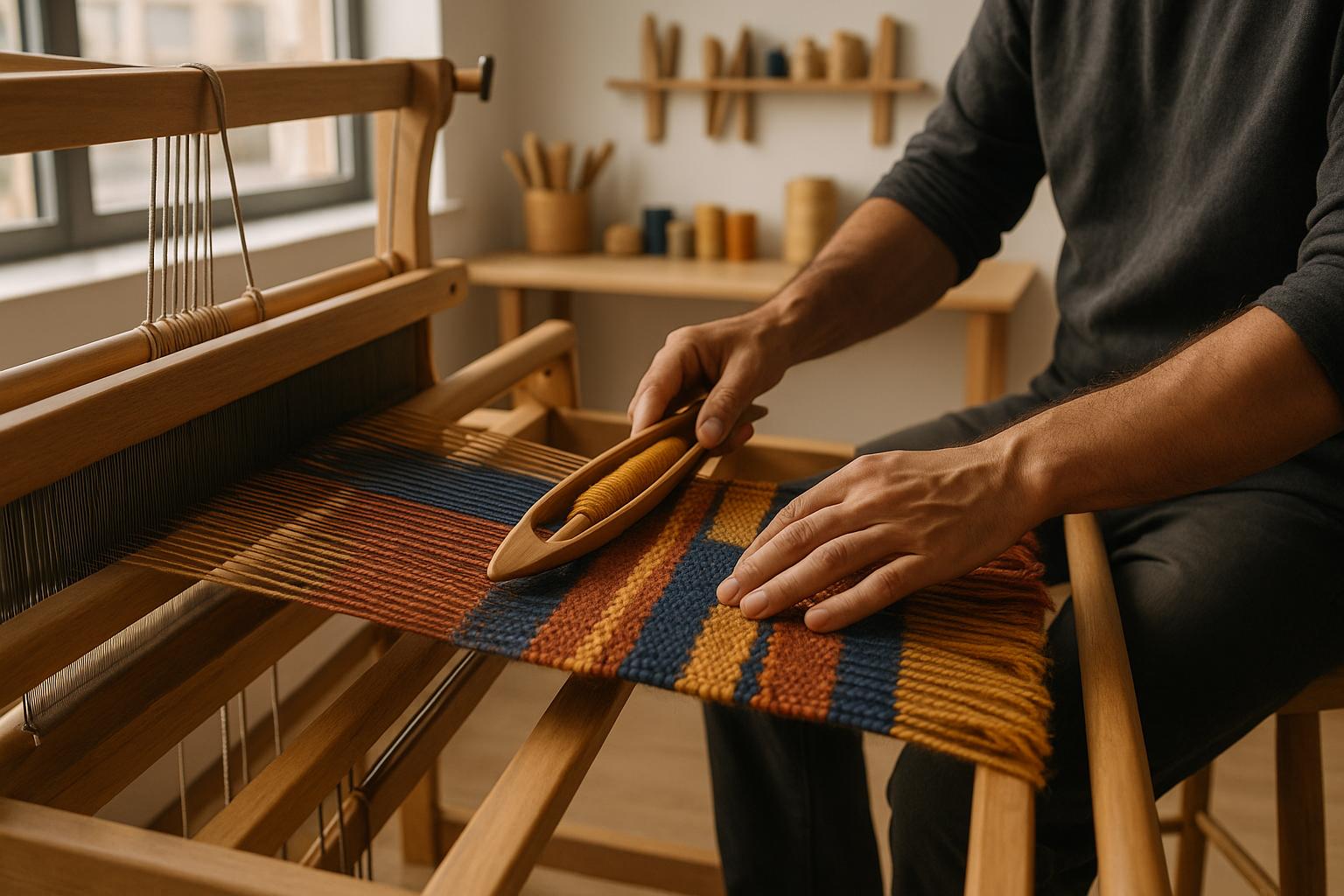
Old art forms are transforming modern design. Techniques like hand-weaving, pottery, and calligraphy are being reimagined with the help of digital tools. Designers blend these traditional methods with modern technology to create unique, handmade items that stand out in a mass-produced world.
Key Points:
- Why it matters: Reviving old techniques brings cultural knowledge into modern design and promotes authenticity.
- How it’s done: Digital tools like CAD and 3D printing enhance traditional crafts without replacing them.
- Impact: Handmade products are gaining popularity, with 68% of Americans under 35 associating them with sustainability.
- Success stories: Brands like West Elm and Patagonia are thriving by incorporating heritage crafts into their products.
This trend is reshaping industries like fashion, interior design, and visual arts while supporting artisan communities and preserving cultural traditions.
Reviving traditional crafts through design | The Way We Make
Old Techniques Shaping Today’s Design
Traditional methods are making a comeback, reshaping modern aesthetics across various design fields. Let’s dive into some key art forms driving this revival.
Art Forms Making a Comeback
Several classic techniques are finding new life in today’s designs. Hand-weaving blends old-school looms with modern materials to create fresh textiles. Traditional pottery combines age-old firing methods with updated glazes for a contemporary twist. Meanwhile, calligraphy has transitioned from its historic roots to influence modern typography and digital font styles.
| Art Form | Traditional Use | Modern Interpretation |
|---|---|---|
| Weaving | Tapestries and fabrics | Eco-friendly fashion and home textiles |
| Pottery | Everyday vessels | Stylish home decor |
| Calligraphy | Manuscript lettering | Digital fonts and branding |
These techniques are leaving their mark on fashion, interior design, and visual arts.
Influence on Fashion, Interiors, and Design
In fashion, hand-weaving offers a distinctive alternative to mass-produced materials, bringing texture and individuality to garments. Interior designers are also embracing handcrafted pieces, giving modern spaces a personal and timeless feel.
Visual design has been equally impacted. Calligraphy, for example, informs the creation of logos and typography, while traditional patterns inspire contemporary graphics. These connections between historical craftsmanship and modern design show how old methods can remain relevant.
Examples of Success in Modern Design
The fusion of traditional techniques with modern demands has sparked exciting innovations. Artisans are finding ways to preserve ancient methods while tailoring them to today’s needs.
This trend has allowed designers to craft one-of-a-kind, culturally rich items that resonate with current audiences. By prioritizing handmade work, these efforts not only celebrate craftsmanship but also support artist communities and keep cultural traditions alive.
How Technology Helps Revive Old Art
Technology plays a key role in preserving and promoting traditional art forms, blending time-honored techniques with modern tools to keep these crafts alive.
Preserving Art with Digital Tools
Digital tools like 3D scanning and high-resolution photography create detailed archives of traditional crafts. These tools capture intricate patterns, textures, and methods, ensuring that these art forms are documented for future generations. Beyond preservation, these digital archives serve as valuable resources for training new artisans and incorporating cultural heritage into modern design.
Connecting Artists and Designers
Modern collaboration tools are bringing traditional artisans and contemporary designers together like never before. Through remote sessions, digital pattern creation, and rapid prototyping, they can combine classic craftsmanship with modern aesthetics. This collaboration sparks new ideas and creative approaches, blending the past with the present.
Expanding Markets Through Online Platforms
The internet has transformed how traditional artists reach and interact with audiences worldwide. Digital marketplaces give artisans a global stage to showcase and sell their work, while social media platforms allow them to share their stories and connect directly with customers. These tools not only help artisans sustain their craft but also introduce their heritage to a broader audience.
sbb-itb-593149b
Business and Community Effects of Revived Art
Supporting Artist Communities
Reviving traditional art forms has opened up new economic possibilities for artisan communities across the U.S. For example, the National Endowment for the Arts‘ Traditional Arts Apprenticeship Program reported that 89% of its participants secured steady income within two years. Similarly, the Navajo Nation‘s renewed focus on traditional weaving has fueled a $12 million annual textile market as of 2024.
"The Met’s 2023 ‘Living Traditions’ exhibit featuring Shinnecock beadwork artists increased visitor engagement by 52% and drove a 300% surge in online searches for Native American craft tutorials", highlights the Museum Analytics Report 2024.
These examples show how traditional arts aren’t just preserving heritage – they’re also meeting growing consumer interest in handmade goods.
Growing Interest in Handmade Items
More consumers are turning to handcrafted heritage products. According to the 2024 McKinsey Craft Economy Report, 68% of Americans under 35 associate handmade items with sustainability and ethical values.
| Brand Success Stories | Impact |
|---|---|
| Heath Ceramics | 41% revenue growth through TikTok content focused on heritage crafts |
| West Elm | $8.7 million in added revenue from collaborations with Hispanic tin artists |
| Patagonia | $2.3 million earned from an Appalachian quilt collection that sold out in just 72 hours |
These brands demonstrate how aligning with the handmade movement can drive both sales and deeper consumer connections.
Art as a Bridge Between Cultures
Revived art forms are also bringing communities together. In Detroit, the "Urban Weave" project pairs Yemeni textile artists with African American quilters, increasing cross-community collaboration by 60% since 2022. Meanwhile, in Baltimore, Gullah sweetgrass basket-making workshops in the Station North Arts District have created 120 jobs and increased local business foot traffic by 40%.
Cultural tourism plays a key role in amplifying these efforts. A striking 74% of cultural tourists buy local crafts, compared to just 38% of general tourists. This trend highlights how art can strengthen both local economies and cultural connections.
Conclusion: Old Art Forms in Tomorrow’s Design
Key Takeaways
The revival of older art forms is leaving a noticeable mark on modern design, influencing a range of industries. This renewed focus highlights their cultural importance and economic benefits. Here are some standout trends:
- Traditional arts are creating steady income opportunities for artisans.
- Consumer demand for handmade, heritage-inspired products is on the rise.
- Art remains a powerful tool for connecting communities and celebrating shared traditions.
What Lies Ahead
The blending of historical art forms with modern design opens up exciting paths for growth. With advancements in technology, these age-old techniques are finding fresh audiences and sparking new design ideas. This ensures their legacy will continue to shape the evolving world of design.
FAQs
How do digital tools like CAD and 3D printing support traditional art forms without replacing them?
Digital tools such as CAD (Computer-Aided Design) and 3D printing are transforming the way traditional art forms are preserved and adapted for modern use. These technologies allow artists and designers to experiment with intricate details, precise measurements, and complex patterns that might be difficult to achieve by hand, all while staying true to the essence of the original craft.
Rather than replacing traditional methods, these tools act as a complement. For example, CAD software can help artisans visualize and refine their designs before physical production, while 3D printing can replicate elements of traditional art with high accuracy, enabling faster prototyping and reproduction. This combination ensures that heritage art forms remain relevant in contemporary design while honoring their cultural roots.
How are brands using revived art forms to influence modern design trends?
Revived art forms are becoming a cornerstone for many brands looking to blend heritage with contemporary aesthetics. For example, some fashion labels are reintroducing traditional textile patterns and weaving techniques into modern clothing lines, creating unique pieces that celebrate cultural craftsmanship. Similarly, furniture designers are incorporating classic woodworking methods, like marquetry or hand-carving, into sleek, modern designs to add depth and timeless appeal.
By embracing these revived art forms, brands not only preserve cultural heritage but also create products that resonate with consumers seeking authenticity and artistic value in today’s fast-paced world.
How does reviving traditional art forms promote sustainability and support ethical consumer choices?
Reviving traditional art forms plays a key role in fostering sustainability and ethical consumerism by encouraging the use of eco-friendly materials and techniques that have been passed down through generations. Many of these practices rely on natural resources and avoid harmful industrial processes, reducing environmental impact.
Additionally, supporting artisans and craftsmen helps sustain local economies and preserves cultural heritage. Ethical consumers can make a positive impact by choosing handmade, high-quality products that celebrate tradition while promoting fair trade and responsible production methods.
