
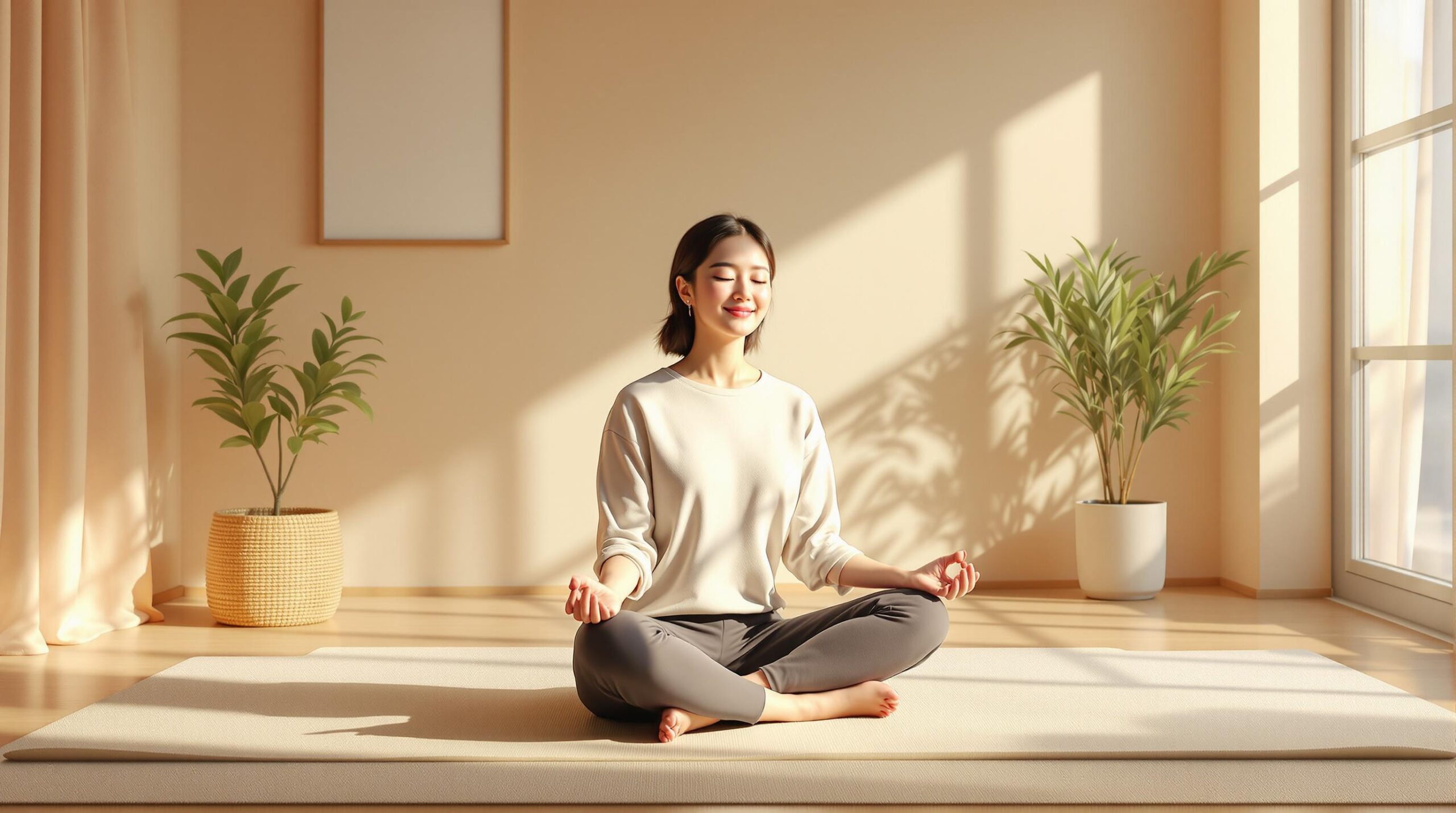
Struggling with meditation? Here’s how to fix common mistakes and build a consistent practice:
- Expecting Instant Results: Start small – just 10 minutes daily – and focus on consistency, not perfection.
- Skipping Days: Tie meditation to daily habits, like brushing your teeth, to stay consistent.
- Poor Sitting Posture: Use cushions or supports to find a comfortable, upright position.
- Meditating While Tired: Choose a time when you’re naturally alert, like mornings.
- Distracting Thoughts: Acknowledge wandering thoughts and gently refocus on your breath.
Quick Tips:
- Begin with short sessions and gradually increase the duration.
- Create a quiet, distraction-free space.
- Use meditation apps like Calm or Insight Timer for guidance.
Meditation isn’t about perfection – it’s about showing up consistently and staying present. Let go of expectations and focus on your breath to improve your practice.
5 Most Common Meditation Mistakes
Expecting Instant Results
Many new meditators hope for immediate calm or life-changing effects. Giovanni Dienstmann, a meditation expert, emphasizes the importance of consistency:
Consistency should be your primary focus when starting or growing a meditation practice – and not the length you sit, or how well you can fold your legs. Ten minutes every day is better than half an hour three times a week.
Chasing quick results can lead to frustration. Instead, commit to just ten minutes daily to build a sustainable habit.
Skipping Days
Missing practice disrupts progress, much like skipping workouts affects fitness. Meditation works best when it’s treated as a non-negotiable part of your routine.
Don’t meditate as if it’s just another task to check off your list. Sit with a feeling of reverence, as if you are about to start the most important activity of your day.
Once you’ve built consistency, focus on your posture.
Poor Sitting Posture
Slouching, raised knees, tense shoulders, or lack of back support can make meditation uncomfortable and distracting. According to Mindful Staff:
Getting your posture right is key to staying relaxed and alert instead of tense or spaced out. Without that, it’s nearly impossible to focus on the present moment.
A comfortable, upright position helps you stay present and engaged.
Meditating While Tired
Meditating when you’re sleepy can make it hard to focus. Aim to practice when you feel rested, such as in the morning, to stay alert and attentive.
Struggling with Distracting Thoughts
It’s normal for your mind to wander during meditation – it doesn’t mean you’re doing it wrong. External factors like a busy day or too much screen time can amplify mental chatter. When distractions come up, gently acknowledge them and refocus on your breath.
You’re Meditating WRONG – 7 Mistakes
How to Fix These Mistakes
Here’s how to address common meditation pitfalls, from seeking quick results to losing focus.
Start Small and Build Gradually
If you’re expecting instant results, start with something manageable. Try a 1-minute breathing exercise or a 3–5-minute guided session. As you get more comfortable, you can slowly increase the duration without feeling overwhelmed.
Make Meditation a Daily Routine
To avoid skipping days, tie meditation to an existing habit:
- After brushing your teeth
- Before your morning coffee
Identifying your personal reason for meditating – like reducing stress, improving balance between work and life, or carving out self-care time – can help you stay committed, even when it’s tough. Once you’ve built consistency, focus on improving your posture.
Find a Comfortable Position
- Start with your base: Rock forward and backward on your sitting bones until you feel stable. Use cushions or blocks to ensure your knees rest below hip level.
-
Align your spine: Isabelle Pikörn, Chief Editor of the Insight Timer Blog, emphasizes:
"You’ve heard your meditation teachers say ‘sit upright in a comfortable position,’ because comfort is key. Being distracted by discomfort can pull you out of your meditation and ruin your focus."
-
Check your posture:
- Keep a gentle arch in your lower back
- Pull your chin back so it aligns over your collarbone
- Gently press your lower ribs down
- Roll your shoulder tips slightly backward
Choose the Best Time for You
Pick a time when you feel most alert. Morning meditations can sharpen focus, while evening sessions help you unwind. Pay attention to your energy levels throughout the day to find the right time for you.
Refocus on Your Breathing
- Label the thought: Mentally note it as "thinking" or "worrying" to create some distance.
- Acknowledge it: Accept the thought without judgment.
- Gently redirect: Shift your attention back to your breath, letting it guide you.
sbb-itb-593149b
Helpful Tools for Better Meditation
These tools can help keep your meditation practice consistent and focused.
Meditation Apps Worth Checking Out
- Calm: With over 2 million 5-star reviews, this app offers 500+ Sleep Stories, a Breathing Bubble feature, Calm Kids content, and beginner programs lasting 7 or 21 days.
- Insight Timer: A free app boasting 250,000 guided meditations and the longest user engagement times among similar platforms.
Essential Equipment
You’ll need a few basics: a meditation cushion or pillow, a blanket, and a stool, chair, or a comfortable spot on the floor.
Creating the Right Space
Turn off notifications and set a clear intention to avoid interruptions. A peaceful, distraction-free environment makes all the difference.
Next, use our quick guide to match each common mistake with its specific solution.
Mistakes vs. Solutions Quick Guide
Use this guide as a handy reference before each session:
This table highlights common challenges and their fixes, making it easier to stay on track with your practice.
| Common Mistake | Solution | Quick Tips |
|---|---|---|
| Looking for Quick Results | Start Small and Build Gradually | Add one minute per week. Focus on daily practice instead of session length. |
| Skipping Practice Days | Make It a Daily Habit | Tie meditation to an existing routine and pick a set time – even just 1 minute works. |
| Incorrect Sitting Position | Find Your Comfort Zone | Try different postures until you find one that’s both comfortable and keeps you alert. |
| Meditating While Sleepy | Choose Peak Alertness Times | Meditate when you’re naturally awake and alert. Avoid times when you’re likely to feel drowsy. |
| Not Managing Distracting Thoughts | Label and Release | Acknowledge distracting thoughts, then gently refocus on your breathing. |
According to Headspace experts:
"Once we notice we’re distracted, that is awareness in action. The more we notice thoughts, feelings, emotions, and distractions, the more aware we become." – Your Headspace Mindfulness & Meditation Experts
Use these tips to address challenges and improve your practice in real time.
Conclusion
Meditation flourishes with awareness and regular practice, not by seeking perfection.
Here are some key takeaways to bring into each session:
- Begin with short sessions and increase time gradually.
- Approach your practice with kindness and consistency.
- Focus on your breath whenever your mind starts to wander.
Our only goal during meditation is to stay present and let go of thoughts or feelings as they come. Then, when we get distracted, return to our breath and remember: no matter what obstacles we’re up against, we’re doing just fine.
